
Heritage Statement and appeal support for the extension to the Grade II* Listed Building
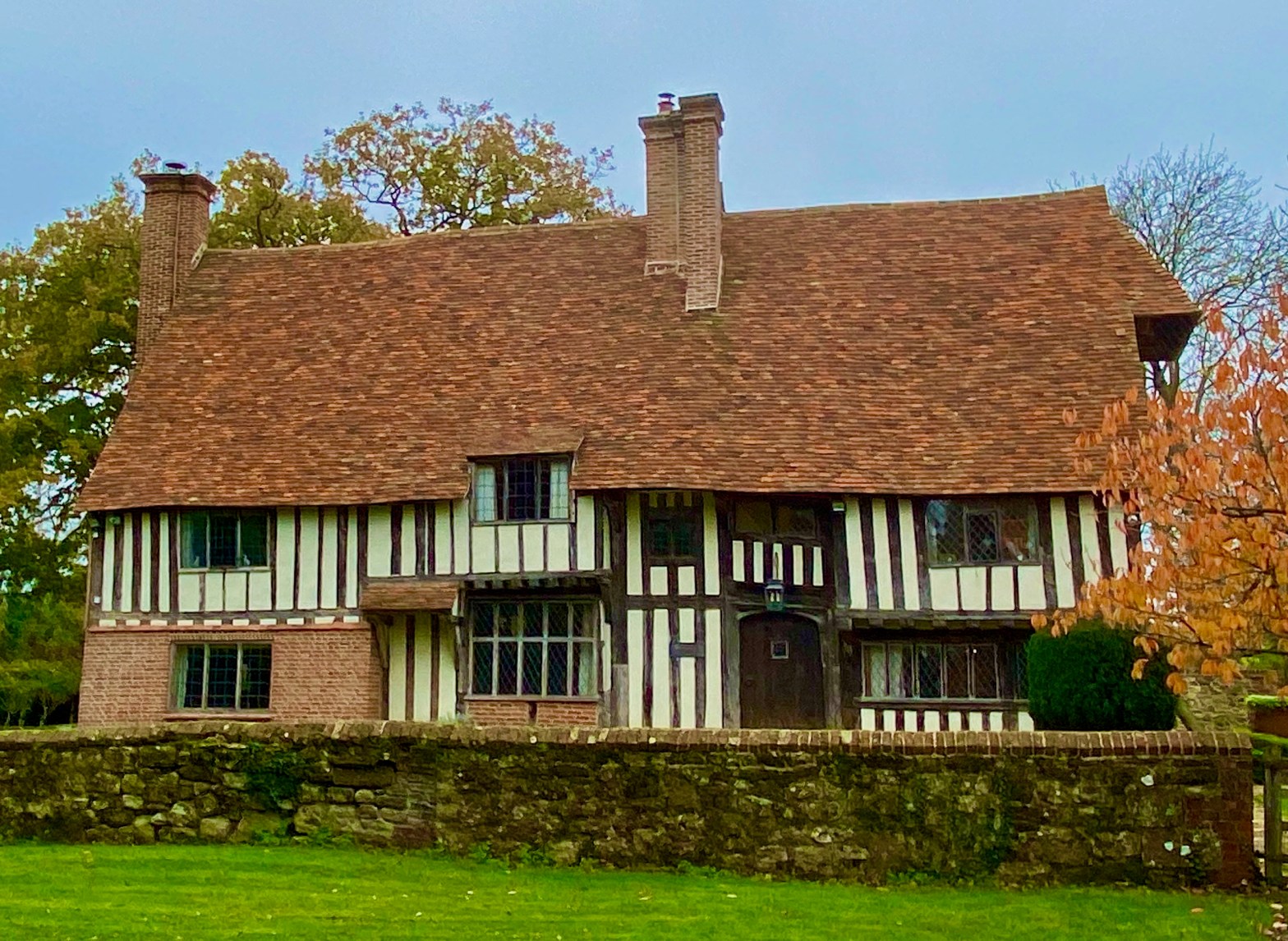
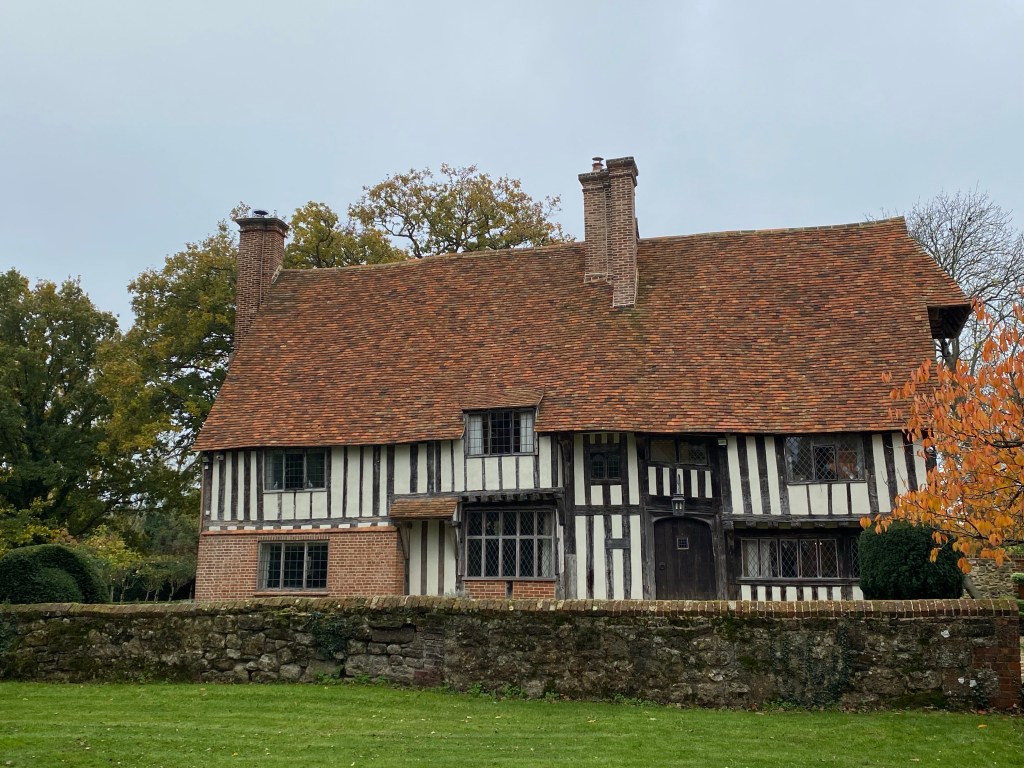
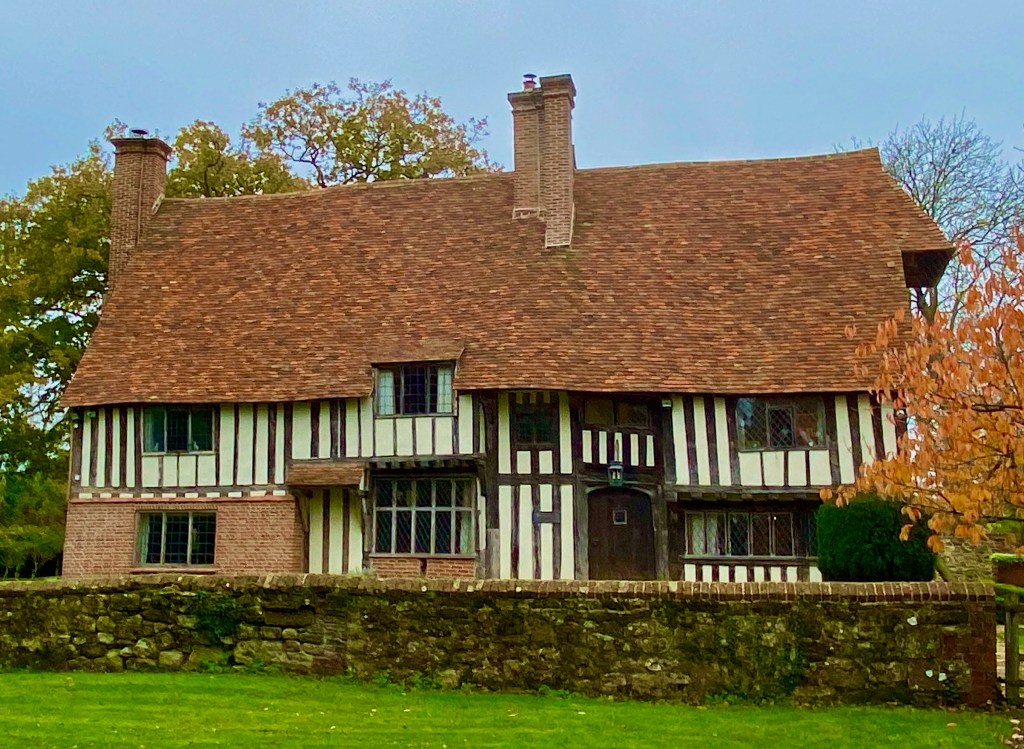
Jeremy was instructed to provide built heritage support and a heritage statement for the client, who sought consent for a single storey side extension to the well-known Cloth Hall in Smarden. The council refused the application, and he provided additional support at appeal stage and the Inspector granted consent. The building is located within the boundary of Smarden Conservation Area. The Cloth Hall is an outstanding and largely intact late-medieval Wealden house dating to the 15th century situated in a prominent location near to the parish church in Smarden and displays a high degree of architectural interest that is reflected in its Grade II* listing. The property is timber framed with close-studding with plaster infilling. Close studding is an indicator of wealth in the 16th century.
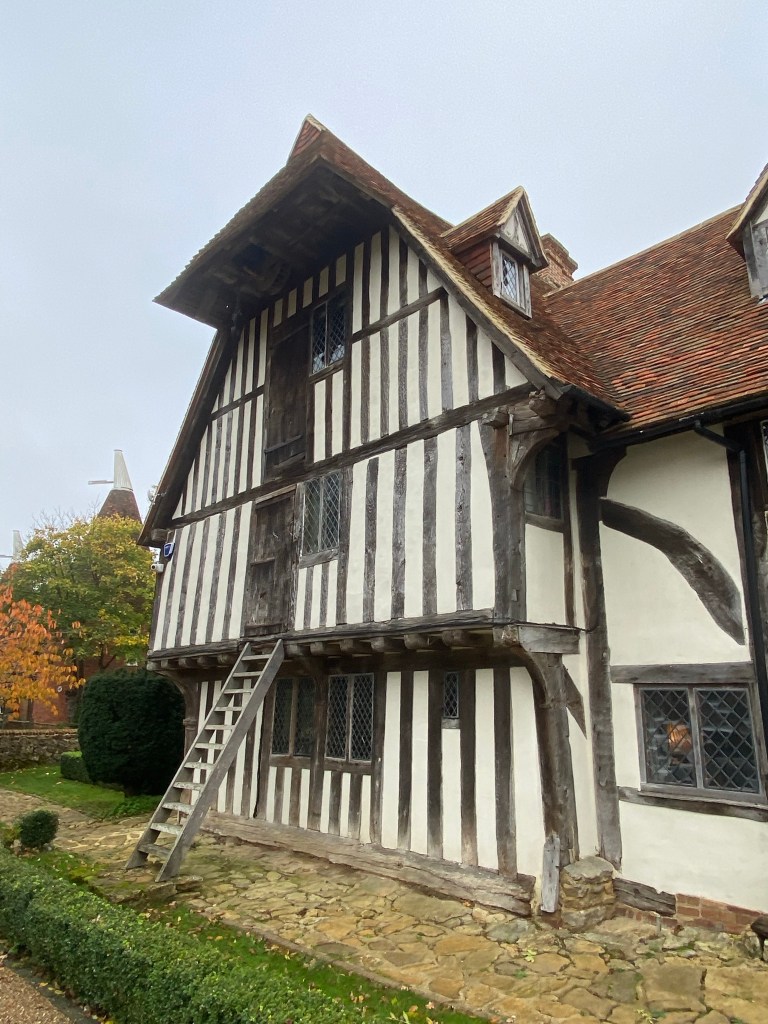
Part of the ground floor was rebuilt in red brick and the building is jettied, a typical feature of Wealden Hall Houses in this period. Fenestration comprises of timber casements with diamond- paned or small square leaded panes. The first floor of the northwest elevation over sails on the protruding ends of the joist with a loft door in the centre of it appreciated by an outside ladder. Above the loft door is a projecting hip from which is suspended a hoist with heavy iron hook. The interior has a fine crown post roof.
The property is L shaped in plan and has been extended including a 1930s kitchen extension and a small stairwell extension. Despite alterations the original plan form is still discernible. The building is an outstanding example of a Wealden Hall House and it has a high level of architectural interest. Cloth Hall, as the names suggests, was used to produce cloth in the medieval period and was an important building in centre of Smarden throughout its history.
The applicant proposed a single storey side extension, and the council raised concerns regarding the impact on the significance of the building. The proposed extension has been designed using traditional materials and architectural features that are in keeping with the character of the building and wider conservation area. Historic England agreed and ultimately the proposal was approved at appeal. The inspector agreed with the assessment and stated:
‘’While the extension would partly reduce visibility through to the Hall’s rear garden and back out into the CA, it is the contribution made by the buildings themselves and their landscaped surroundings in relation to the Water Lane which are of greater significance to the CA. Views into the CA would also remain unaffected from the Hall and elsewhere within its curtilage.
In light of the above, the proposal would preserve the special interest of the Grade II* listed building, The Cloth Hall, and the character and appearance of the CA.’’

 jfheritage.co.uk