
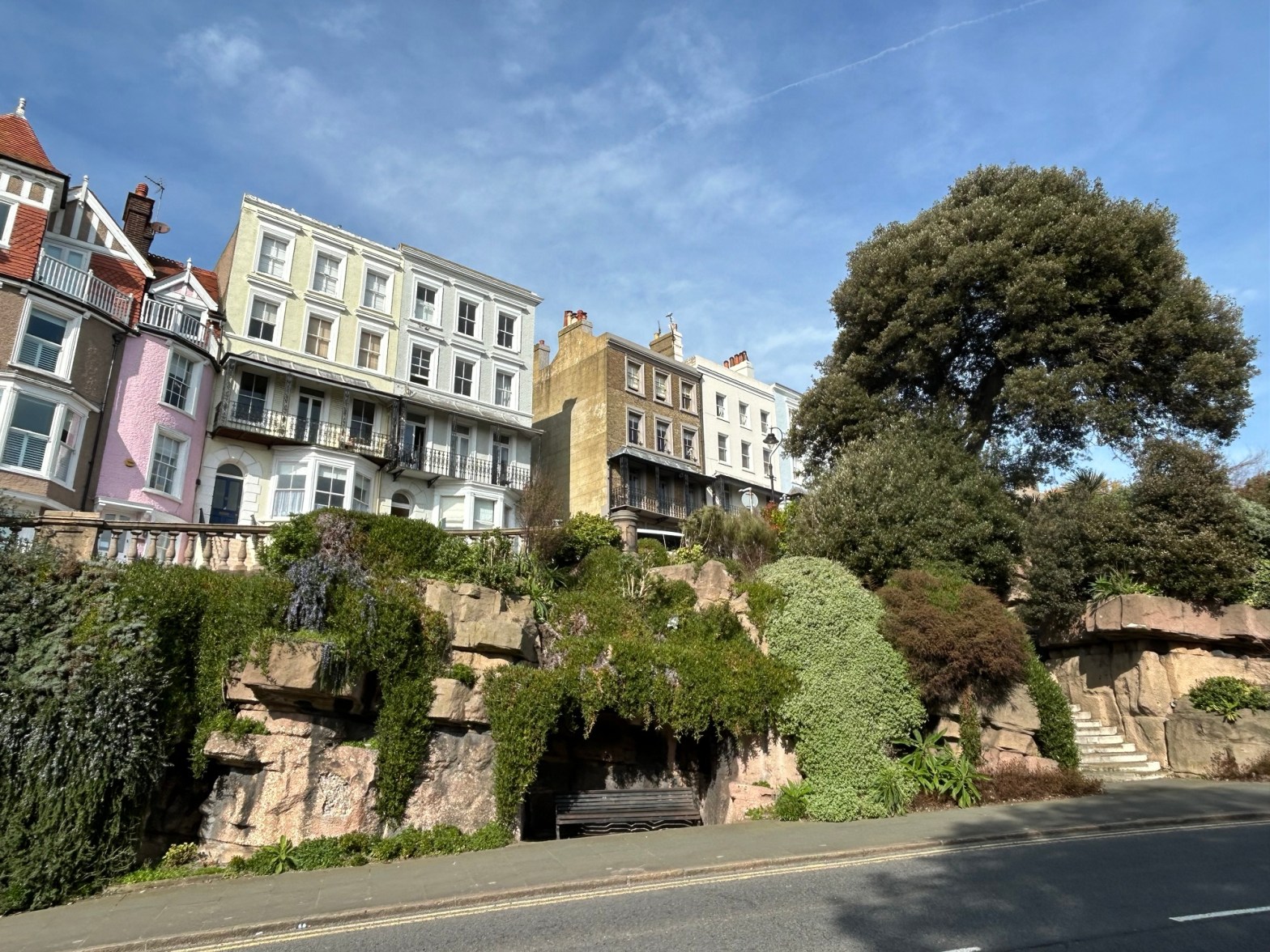
A brief introduction to how the Pulham family transformed Victorian landscapes in Tunbridge Wells and Ramsgate using Pulhamite.
Category Archives: archaeology
Historic Buildings and Areas of Kent : St Augustine’s Church and The Grange, Ramsgate – Post 4

In this post, I offer a brief overview of two important landmarks in Ramsgate. My insights draw on numerous visits to the buildings during Heritage Open Days, as well as additional research. Together, these experiences have deepened my appreciation of their architectural and historical significance.
Historic Buildings and Areas of Kent – Post 3: Martello Towers 1 and 3, Folkestone

This post explores Martello Towers 1 and 3 in Folkestone, examining their historical context, military function, and architectural features as part of the early 19th-century coastal defence network. It also considers their current condition and significance within Kent’s historic landscape.
Historic Buildings and Areas of Kent (Post 2): Bayham Old Abbey, Lamberhurst

This post reflects on a recent visit to Bayham Old Abbey, exploring its architectural features, historical significance, and past conservation work.
Historic Buildings and Areas of Kent (Post 1) – Spencer Square, Ramsgate
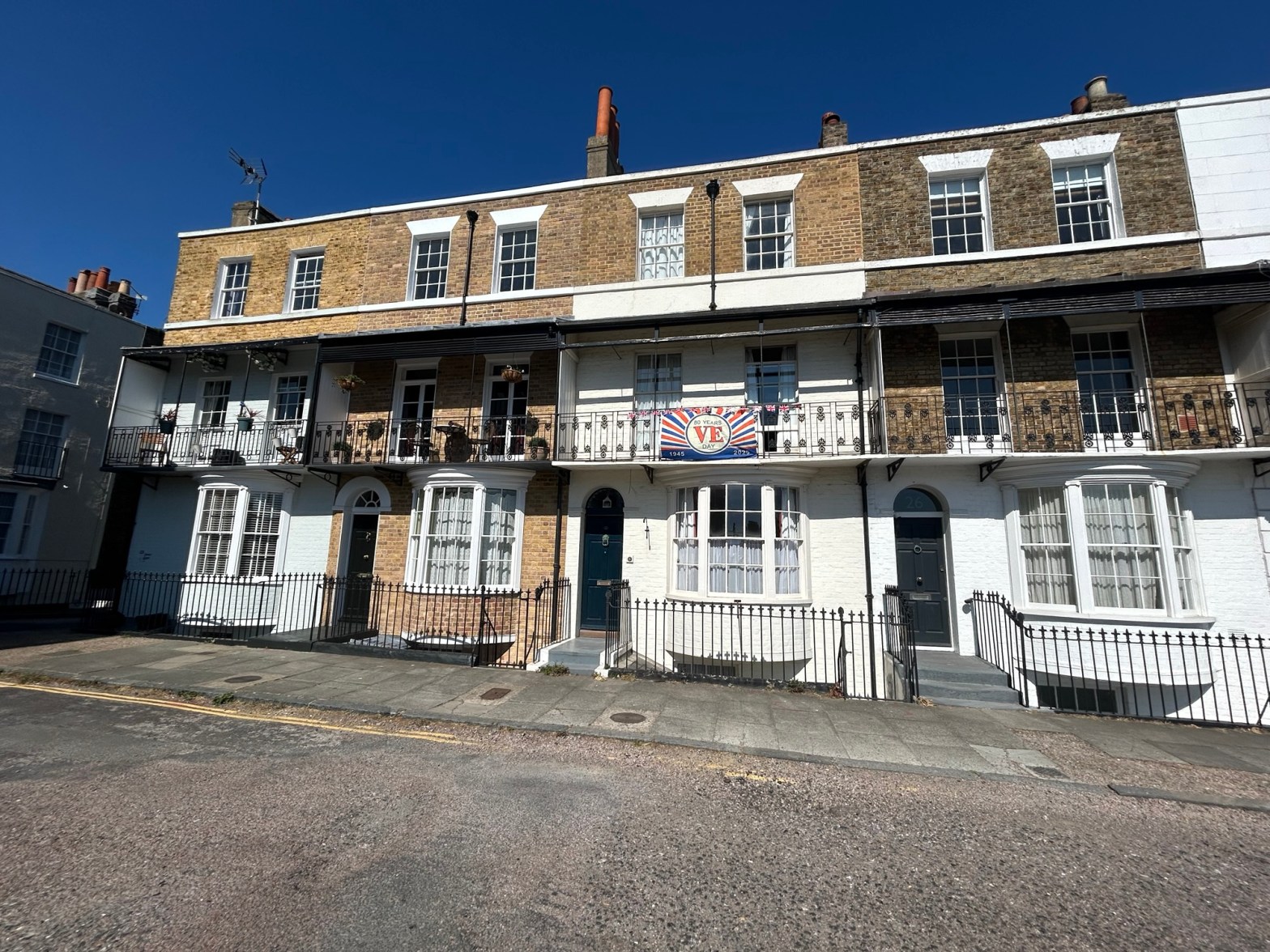
Welcome to the first in a series of blog posts where I will provide a brief overview of important, and often overlooked historic buildings in Kent. Having traveled widely across the county for many years, I hope to shed light on lesser-known sites and share my passion for historic buildings and insights into the fascinating history hidden in Kent’s towns, villages, and countryside.
Glebe Cottage: A Historic Overview and Architectural Significance

In this post, I provide an overview of the historic development and significance of Glebe CottageGlebe Cottage is a Grade II listed property situated in the village of Kingsnorth, near Ashford. Dating from the early 19th century, the cottage holds considerable historic and architectural interest. It contributes positively to the character of the Kingsnorth Conservation Area and maintains an important historical association with the Church of St Michael and All Angels, within whose setting it is located.
No. 9 Trinity Square: A Glimpse into Margate’s Past
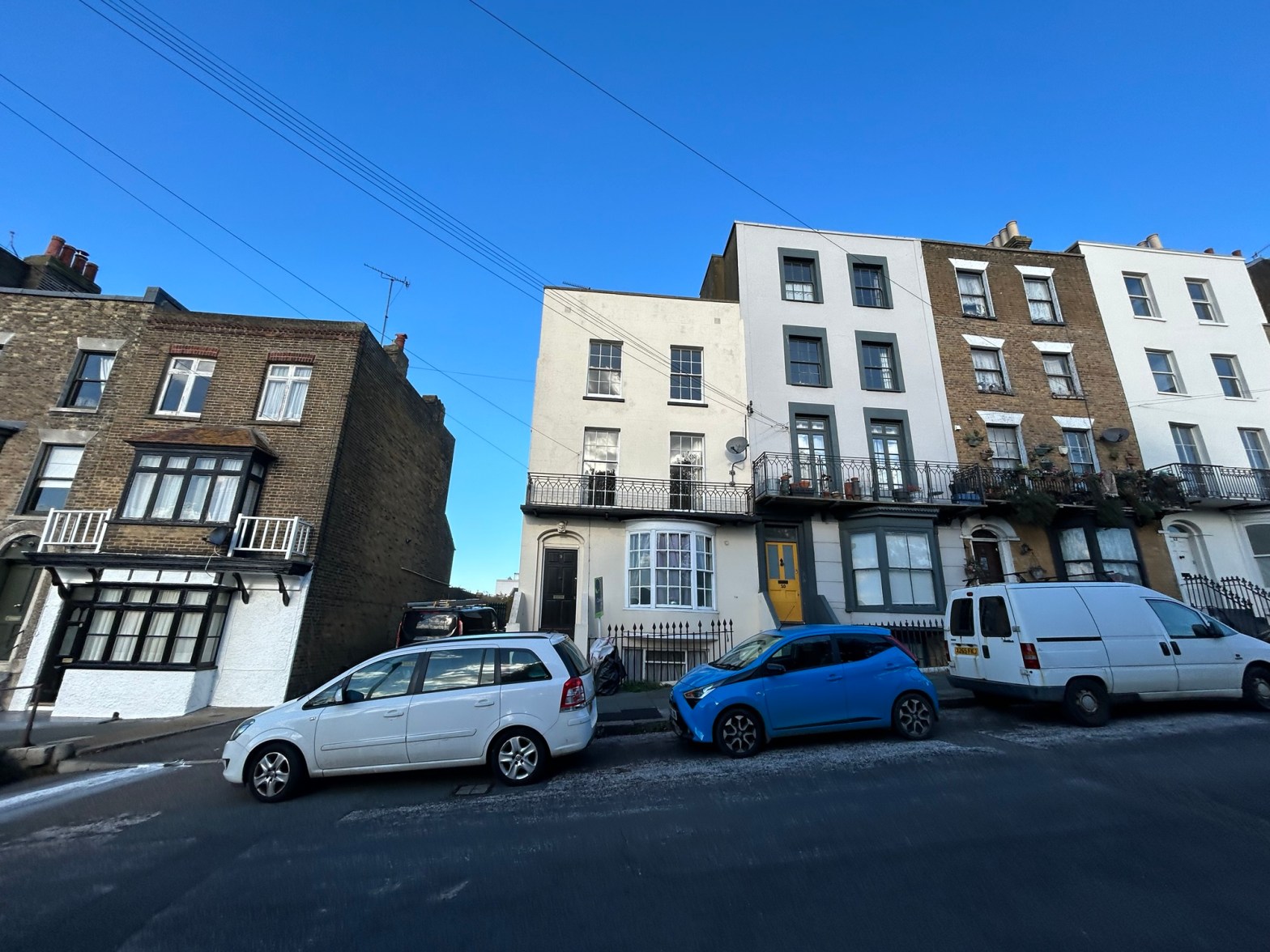
This post aims to provide the public with an overview of the historic development of No. 9 Trinity Square, Margate. It also highlights its significance. This follows a detailed survey, report, and heritage statement I conducted for the property. The property, known as Park View, 9 Trinity Square, is a Grade II listed building datingContinue reading “No. 9 Trinity Square: A Glimpse into Margate’s Past”
An Introduction to Bay Windows
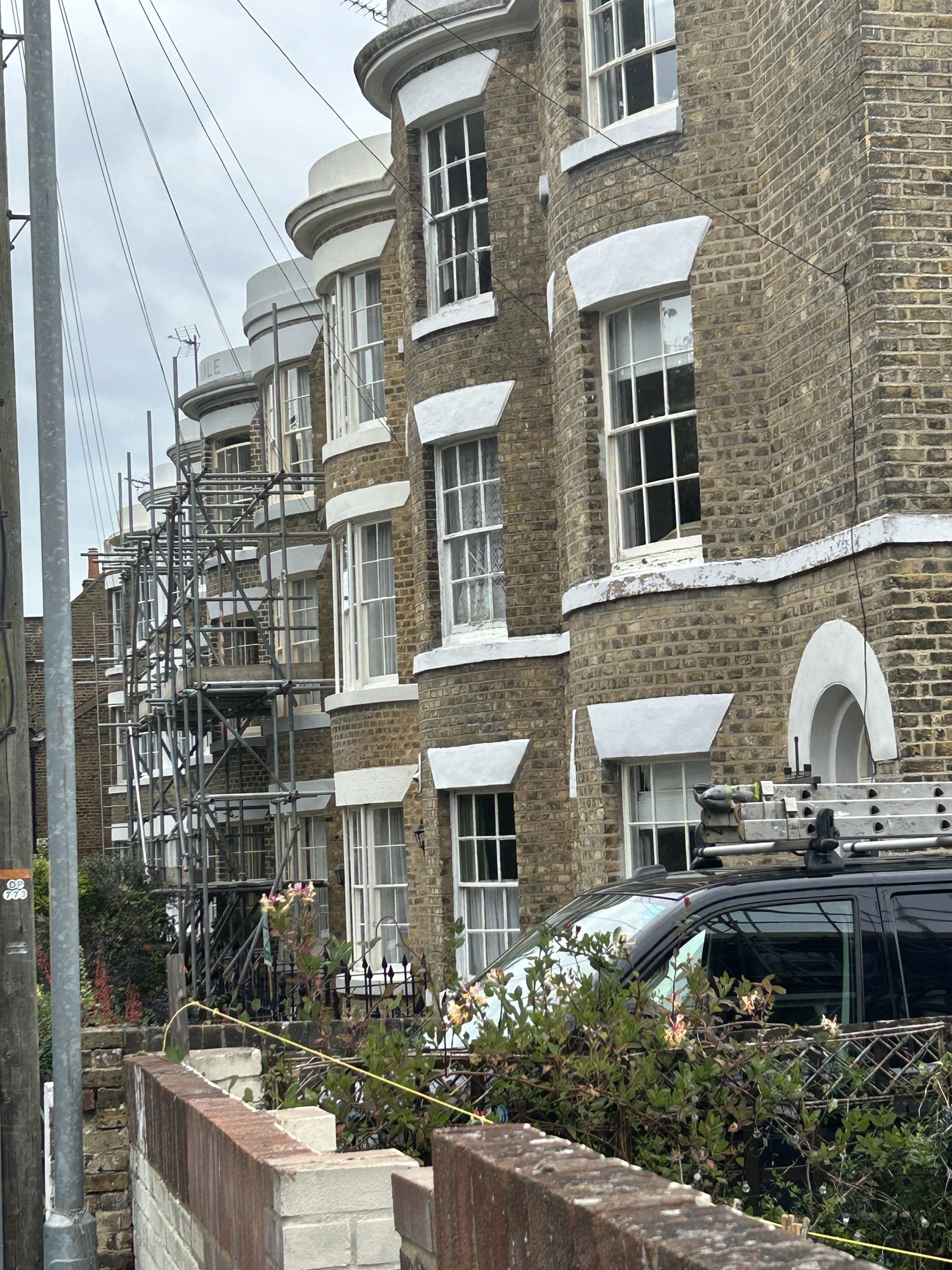
In this post, I provide an overview of the historical development of bay windows, along with common problems and potential solutions. Bay windows, often featuring ornate decorative detailing, enhance the façade of buildings, adding significant visual appeal. This architectural feature was particularly popular in the late 19th century, as evidenced by the numerous bay windows on Victorian semi-detached, detached, and terraced properties throughout the United Kingdom.
An Introduction to Encaustic Tiles

Encaustic tiles have captured my interest for some time now. Found in numerous locations throughout England, they adorn floors and walls with intricate patterns and vibrant colors
St Mary’s Church, Minster
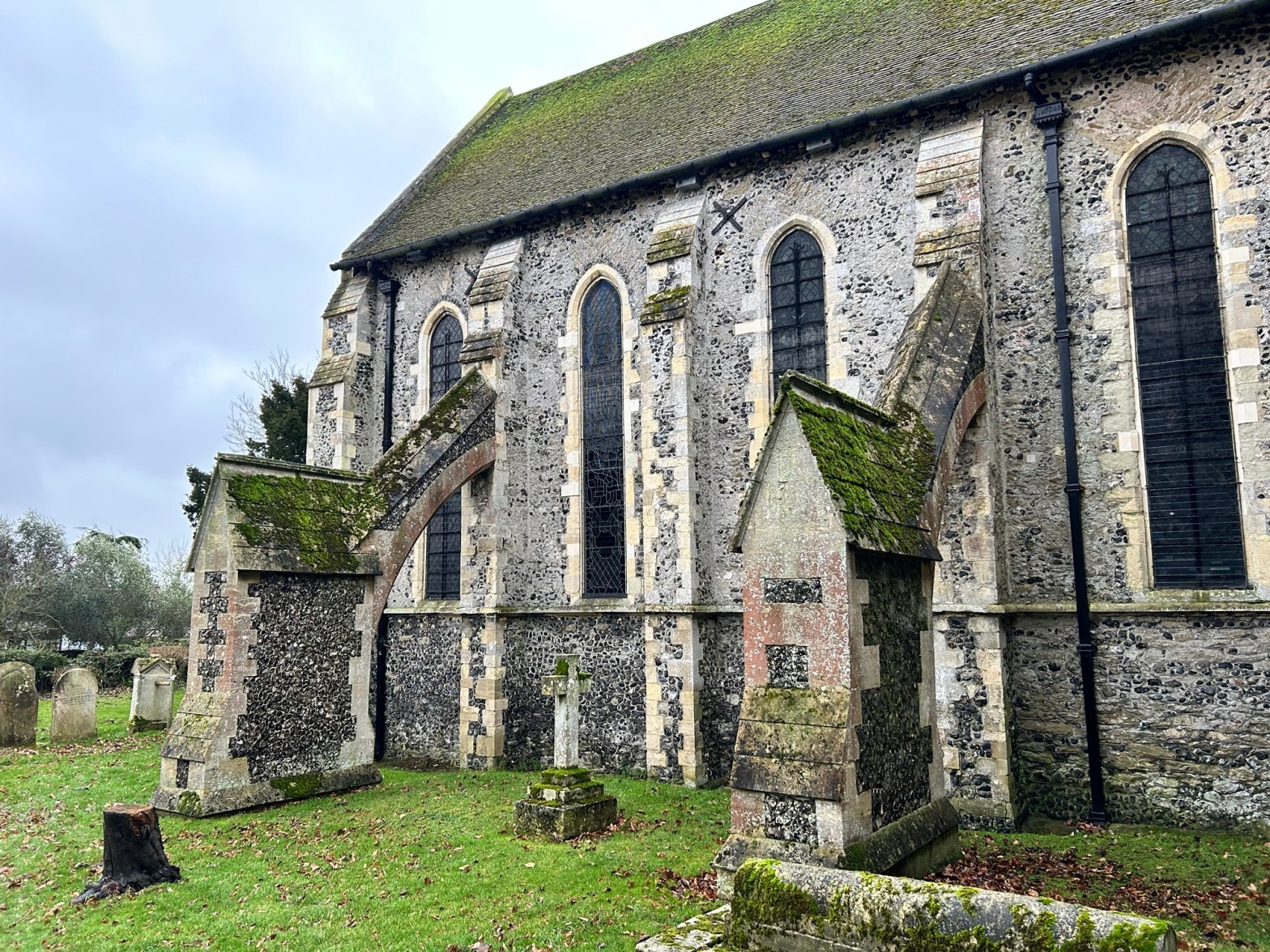
Certainly one of the finest churches in Kent, Saint Mary’s, Minster has pre-Norman foundations, and it is thought that the remains of a much older Anglo-Saxon church lie beneath the present church. Originally founded in 670 AD as a small monastic parish church, it was later sacked by the Danes in 1011 and rebuilt in later in C11. Traditionally called the ‘Cathedral of the Marshes’, it is easy to see why; the scale and architectural details are impressive.
 jfheritage.co.uk