
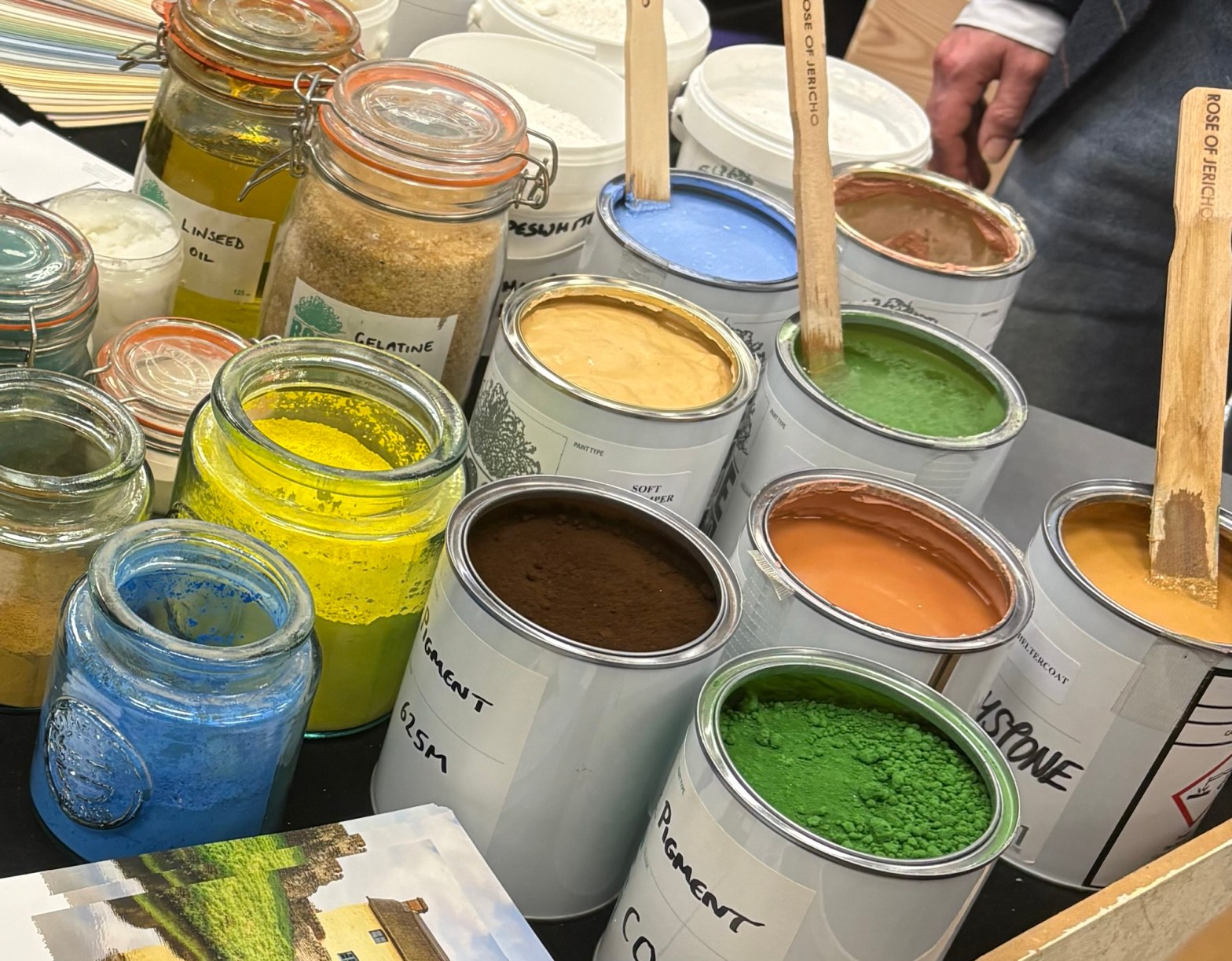
In this post, I provide an overview of traditional paints commonly used in historic buildings, including finishes such as limewash and distemper, and explain why they remain important today. I also look at inappropriate modern paints and coatings, highlighting how their use can cause harm to historic fabric by trapping moisture and accelerating decay. The post goes on to explore common problems associated with paint failure, such as flaking, blistering, and damp-related issues, before setting out practical guidance on maintenance and redecoration. Together, this aims to help owners and custodians make informed choices that protect both the appearance and long-term health of historic buildings.
It should be noted that paints applied prior to the 1970s may contain lead, which can be highly toxic if disturbed during maintenance or redecoration. Proper precautions, including testing, containment, and professional removal where necessary, are essential when working with older painted surfaces to protect both health and the historic fabric.
Traditional Paints
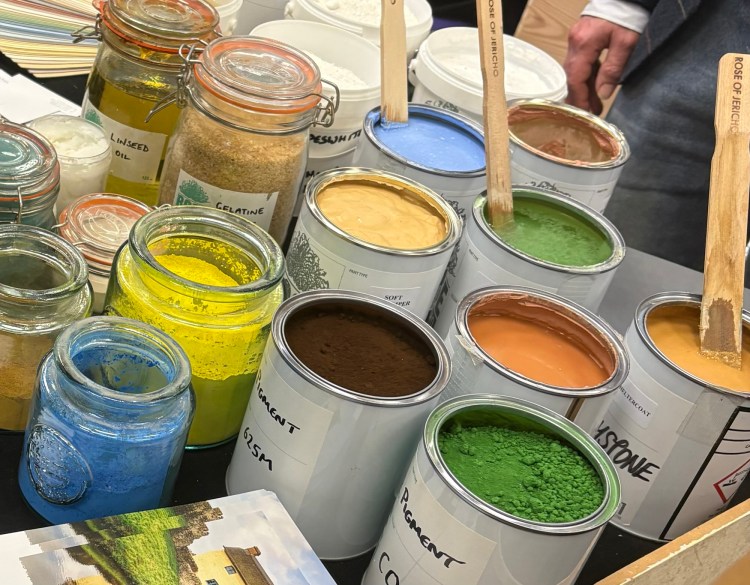
Traditional paints such as limewash and soft distemper have been used for centuries and remain central to the care of historic buildings. Limewash, used for hundreds of years, is the most breathable paint available and is simple to make from readily available natural materials, while soft distemper is an equally traditional interior finish made from chalk and natural binders, valued for its softness and permeability. Together, these finishes allow historic walls to breathe, helping to manage moisture and reduce the risk of damp-related decay, while providing a subtle, matt depth that modern paints often struggle to replicate.
Limewash is typically used on masonry and plaster, forming a sacrificial surface that weathers gracefully over time, whereas soft distemper is suited to interior walls and ceilings, offering a chalky, velvety appearance in muted colours. Both reflect a traditional approach to decoration that prioritises breathability, compatibility with historic fabric, and long-term building health. Limewash is the ultimate breathable paint.
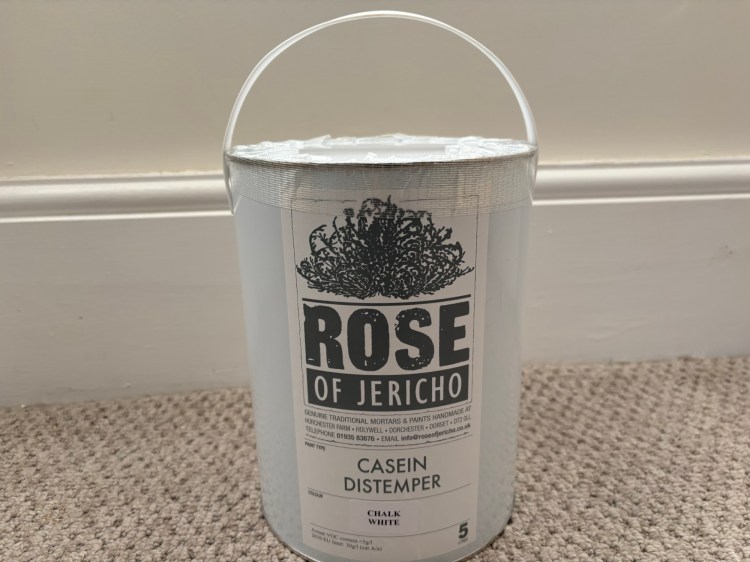
Soft distemper is traditionally used on interior walls and ceilings, where its highly permeable, powdery finish creates a soft, velvety appearance and gentle tonal variation. Casein distemper is a traditional finish made from chalk and milk protein (casein) Although less durable than modern paints, it is easily repaired, reversible, and well suited to historic interiors where breathability and authenticity are key considerations.
Why Paint Fails on Historic Buildings
Research shows that around 75% of building failures are linked to moisture (Ashurst, Practical Building Conservation). Traditional solid-walled buildings were designed to “breathe,” allowing moisture to evaporate naturally through lime mortars and renders. Modern pressures make this balance harder to maintain. This is due to several reasons:
Climate change – Wetter winters and intense rainfall events put additional strain on the fabric .
Internal moisture – Showers, washing machines, and cooking all generate humidity.
Modern materials – Dense cement mortars and synthetic renders are less permeable, forcing moisture through weaker routes.
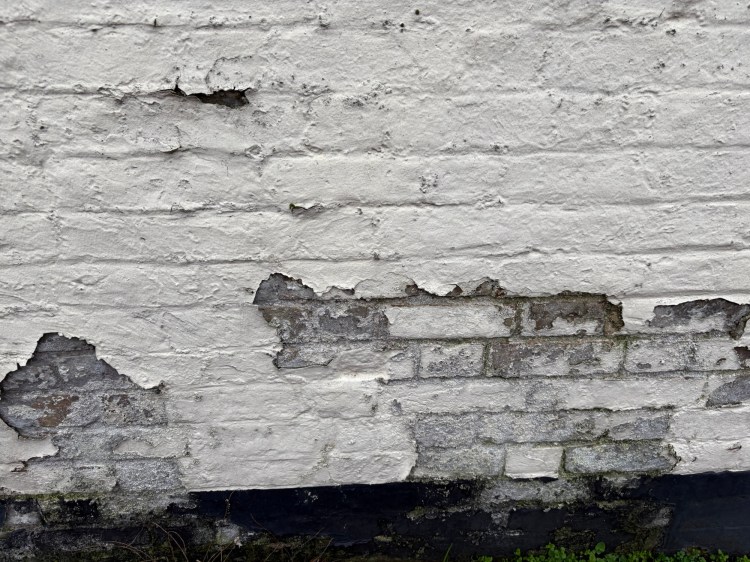
When impermeable paints are added, they trap moisture within the wall, leading to blistering, flaking, and decay.
The Traditional Role of Paint
Historically, paint served two main purposes: protection and decoration. Before the early 20th century, paints were hand-mixed using natural ingredients suited to the building’s materials, this includes:
Limewash – Lime and water, used externally and internally.
Soft distemper – Whiting and glue size, often tinted for plaster ceilings. Casein distemper – A permeable paint suitable for use in older buildings for the decoration of internal walls and ceilings.
Oil paint – Linseed oil with lead white, used for joinery and metalwork.
These coatings worked with the building, not against it. They were vapour-permeable, allowing moisture to pass freely through the surface.
Breathability and Vapour Permeability
The term “breathable” is often used loosely, but the correct concept is vapour permeability, how easily water vapour can move through a coating (BS EN 1062-1:2004). In short:
High permeability = moisture escapes safely.
Low permeability = moisture gets trapped, causing paint failure and potential structural damage.
Vapour-permeable finishes are essential for maintaining the health of historic buildings.
Other Paints
There is a wide range of modern paints available today, but none are as breathable as limewash, which remains unrivalled in its ability to allow moisture to pass freely through walls and masonry.
Clay paint is a natural, mineral-based finish made from clay, earth pigments, and plant or mineral binders. It is highly breathable, helping to regulate humidity by absorbing and releasing moisture, and is often promoted as a healthy, low-VOC alternative to modern paints. Its soft, matt appearance and subtle tonal variation can be visually sympathetic in older buildings.
However, while clay paint is more permeable than many modern emulsions, it is still less breathable than limewash or traditional distempers and should be used with care in historic buildings, particularly on solid walls. It is generally best suited to interior applications where moisture levels are low and where the underlying substrate is compatible.
Mineral paint, often based on silicate (such as potassium silicate), is a modern, mineral-based coating designed to bond chemically with mineral substrates like stone, brick, and lime plaster. It offers good vapour permeability, durability, and resistance to UV light, making it a popular choice for external masonry where a matt, mineral appearance is desired.
Despite these advantages, mineral paints are still less breathable than limewash and are not always appropriate for historic buildings. Their stronger bond and reduced sacrificial behaviour can make them harder to remove and less forgiving on softer historic fabric. Careful assessment of the substrate and moisture conditions is essential before their use, particularly on traditional solid-walled buildings.
Removing Impermeable Paints
When impermeable coatings such as acrylic emulsions and masonry paints have been applied, it may be necessary to remove them in order to restore the wall’s breathability. It is always advisable to test a small area first before proceeding more widely. Gentle methods are preferred, poultice paint removers, such as PeelAway, can effectively lift acrylic and modern paints without causing mechanical damage, while DOFF steam cleaning offers a low-pressure, high-temperature option suitable for masonry, though it can be relatively costly. Abrasive techniques should be avoided, as they risk permanently damaging historic surfaces.
Sources & Further Reading
Ashurst, J. (2013). Conservation of Ruins. Routledge.
Ashurst, J., & Ashurst, N. (1990). Practical Building Conservation: Mortars, Plasters and Renders. Gower Technical Press.
Historic England (2012). Energy Efficiency and Historic Buildings – Paints and Finishes.
Historic England (2017). Practical Building Conservation: Mortars, Renders & Plasters. Routledge.
Historic England (2021). Climate Change Adaptation of Traditional Buildings.
Society for the Protection of Ancient Buildings (SPAB). Advice on Paints and Finishes.
English Heritage (2008). Stone Cleaning: A Guide for Practitioners.
BS EN 1062-1:2004. Paints and varnishes. Coating materials and coating systems for exterior masonry and concrete.
 jfheritage.co.uk