
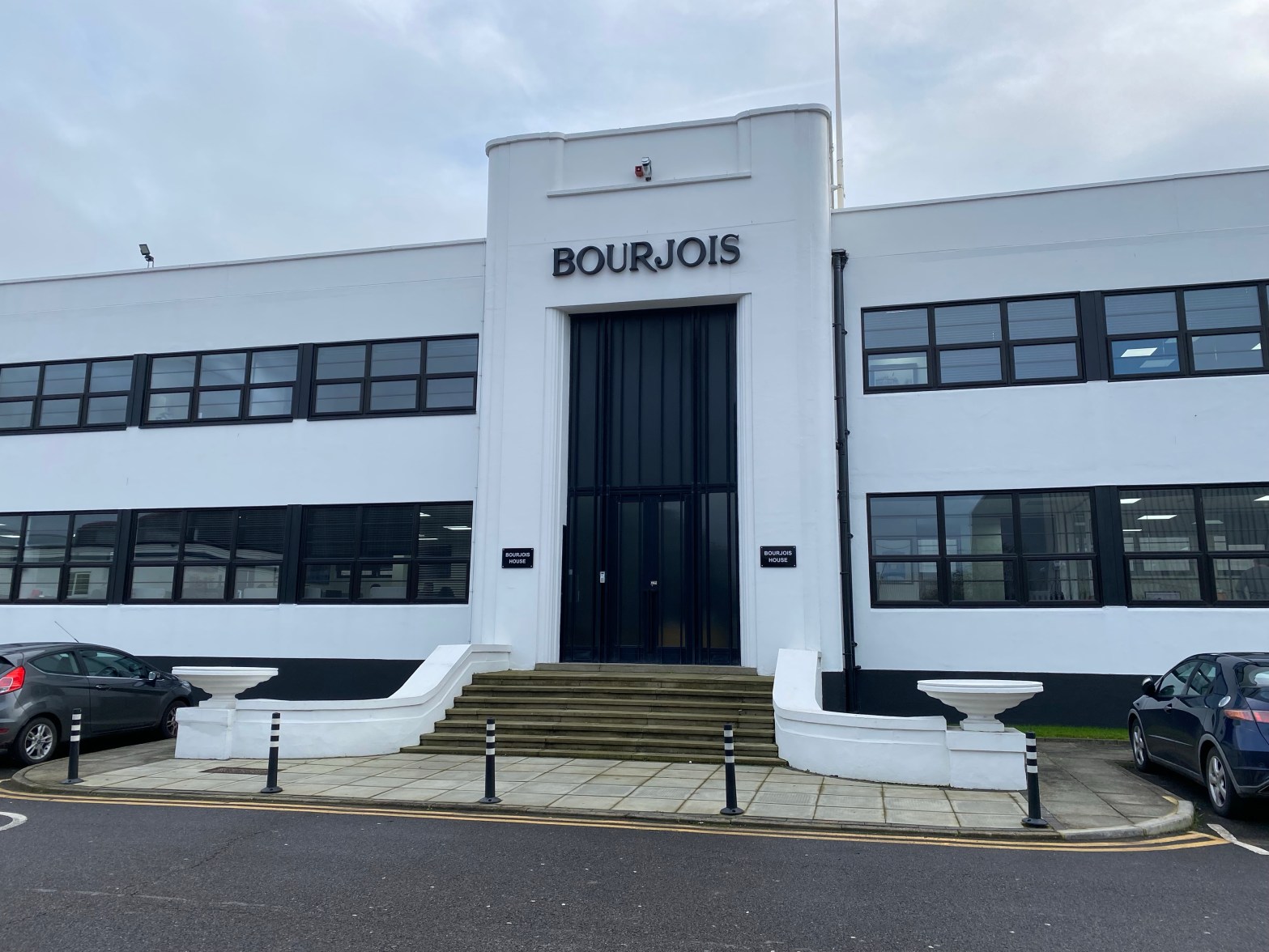
Bourjois House, located in Croydon, is a historically significant building that has a rich history dating back to its construction in the early 20th century. The building has been a prominent landmark in Croydon and has witnessed the evolving urban landscape of the town. It was initially designed and constructed during a period of architectural innovation and growth, reflecting the Art Deco and early Modernist architectural styles of the time.
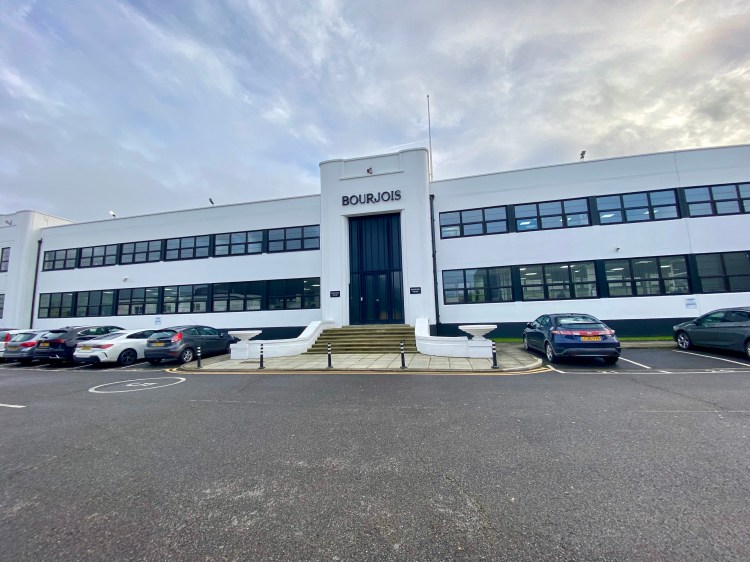
Bourjois had established its manufacturing presence in Britain as early as 1926, with a factory located at 71-73 Carter Lane in London and a soap manufacturing facility at River Plate Wharf on Upper Ground Street. The company expanded its operations with the construction of larger facilities on Queen’s Way. Originally designed as a warehouse and offices for the Bourjois Perfume Company, this building played a pivotal role in the town’s economic development.
Renowned for its cosmetics and fragrances, the company stood as a significant employer in Croydon, making substantial contributions to the local economy. Moreover, there is an intriguing rumour suggesting that a German plane may have crashed at the site during the late 1930s, and it is believed that the remnants of this plane may still be located within or near the building.

Croydon Airport opened in 1920 and was the only international airport in the United Kingdom in the 1930s. It played an important role in the local economy and during World War II when it was used by the RAF, being known as RAF Croydon. Following the end of WWII, the airport returned to civilian aviation before closing in 1959. Bourjois House is situated to the east of the former airport, and a part of the building was bombed during the early days of the Blitz. The Luftwaffe targeted Croydon airfield and adjacent factories, including Bourjois House, which was producing wartime components. Unfortunately, the bombings resulted in the death of 60 people, with dozens more injured. Chanel commenced production at the site in 1965 and the factory is still in use today.
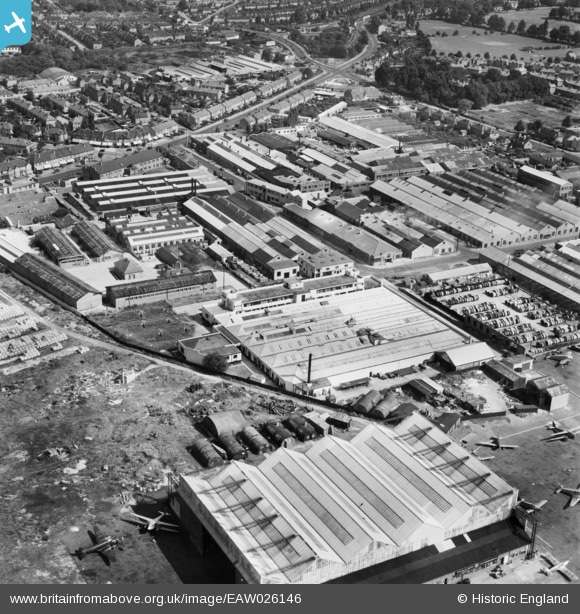
Aerial photo of Bourjois House taken in 1949 (available from britainfromabove.org.uk)
The architectural significance of Bourjois House lies in its representation of the Art Deco and Modernist styles, which were prevalent during its construction. The building exhibits key features of these styles, including streamlined forms, decorative detailing, and the use of modern materials. The façade’s intricate design, use of materials like terracotta and metal, and window treatments contribute to its architectural value.
Author: Jeremy Fazzalaro
All photos belong to author
 jfheritage.co.uk