

J F Heritage has submitted a comprehensive heritage statement and detailed conservation advice relating to the proposed alterations to two significant listed buildings: Warden Manor and The Coach House.
Warden Manor, a charming two-story dwelling dating from the 16th or early 17th century, has a stuccoed frontage with hipped tiled roof. Its fenestration features hung sashes with glazing bars. The building’s original planform remains discernible, further enhancing its historical appeal. Notably, Warden Manor’s rich historical and architectural significance is underscored by its Grade II listing. Adjacent to Warden Manor stands The Coach House, dating to the late 16th or early 17th century, exhibits a charming brick exterior partially rendered.
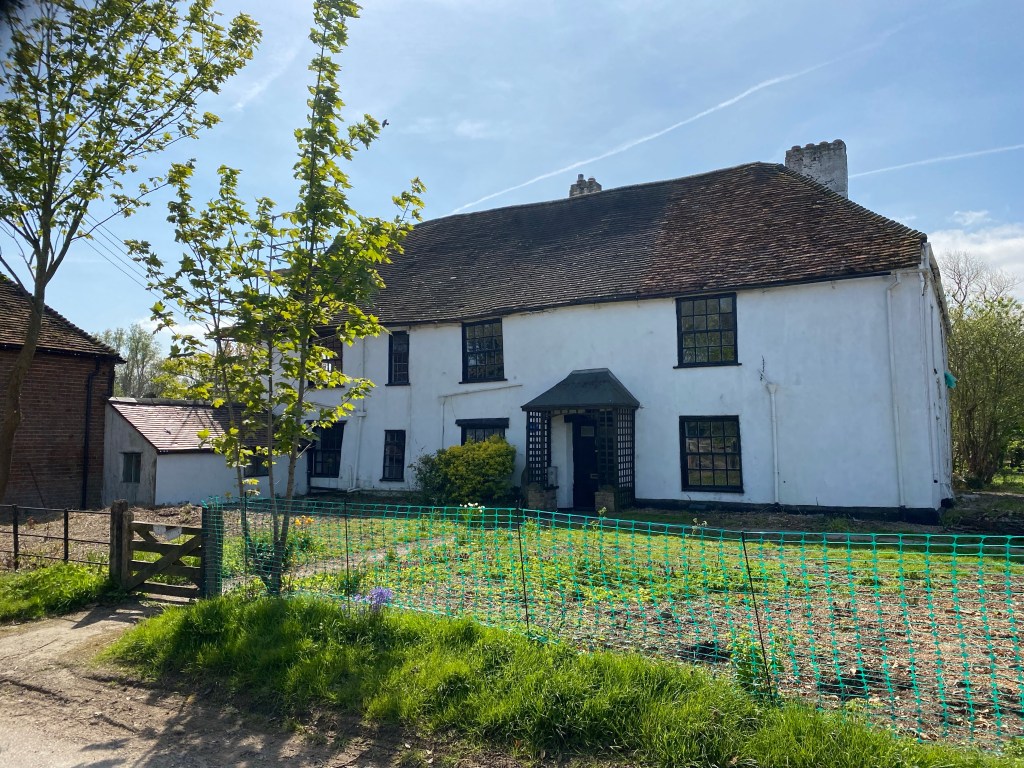
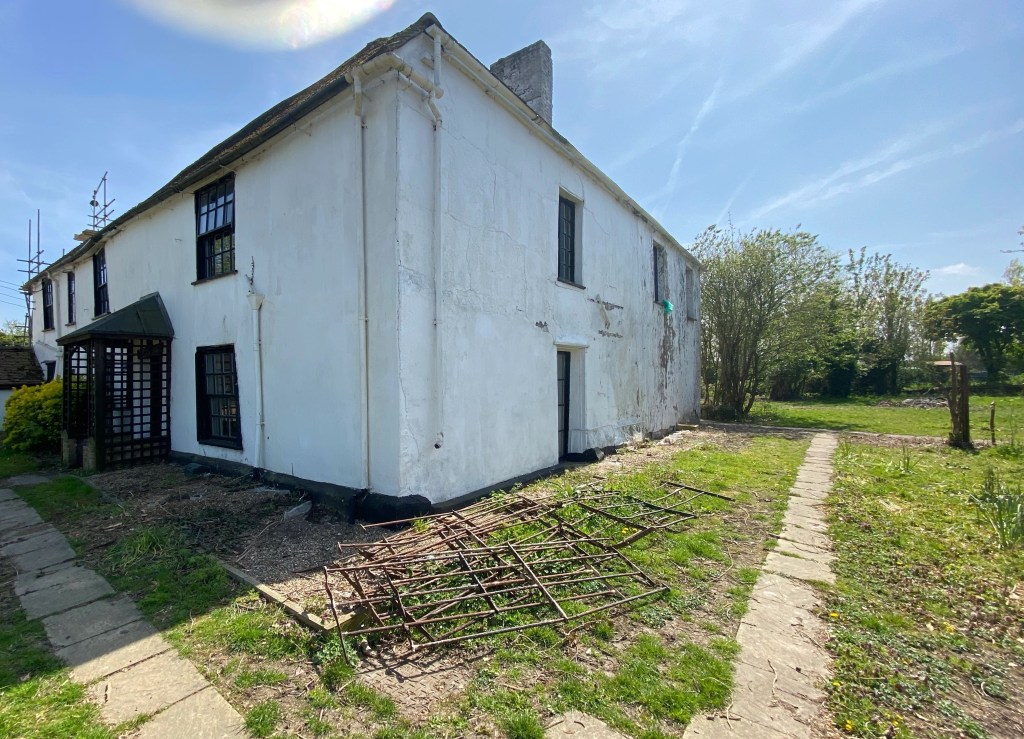
Warden Manor is a two-story timber-framed dwelling with a hipped roof and plain tiles. The exterior rendered probably in the 18th or 19th century, as was the common practice during that time. The front elevation showcases a combination of 8-over-8 sashes painted in black, along with smaller windows, adding interesting features that contribute to the overall character of the building. Towards the rear, there are timber double doors with internal panelling, as well as a single door. However, these doors do not appear to be original and were likely inserted at a later date. Moving to the side and rear, the fenestration consists of a mix of timber casements and modern windows that lack consistency, detracting from the building’s character. These later modern additions hold little architectural interest. Additionally, there are several blocked internal windows, potentially indicating older features that are no longer in use.
Turning to the interior, the kitchen area has modern appliances and is of no architectural interest. Timber studs are exposed on the wall on the ground floor with marks indicating lath and plaster was formerly used as was common in the 18th and 19th century. The first floor also has exposed timber studs along the side wall on the first wall. Taking together this indicates the front of the ground and first floor is the oldest past of the building dating and the property was likely extended at a later date. The front elevation being refaced in stucco at some point in the post medieval period. The single storey side extension that links Warden Manor to the Coach House is visible on historic maps from the late 19th century, however it has seen numerous alterations including repair and repointing of the brickwork and replacement windows. The single storey side extension is of no architectural interest.
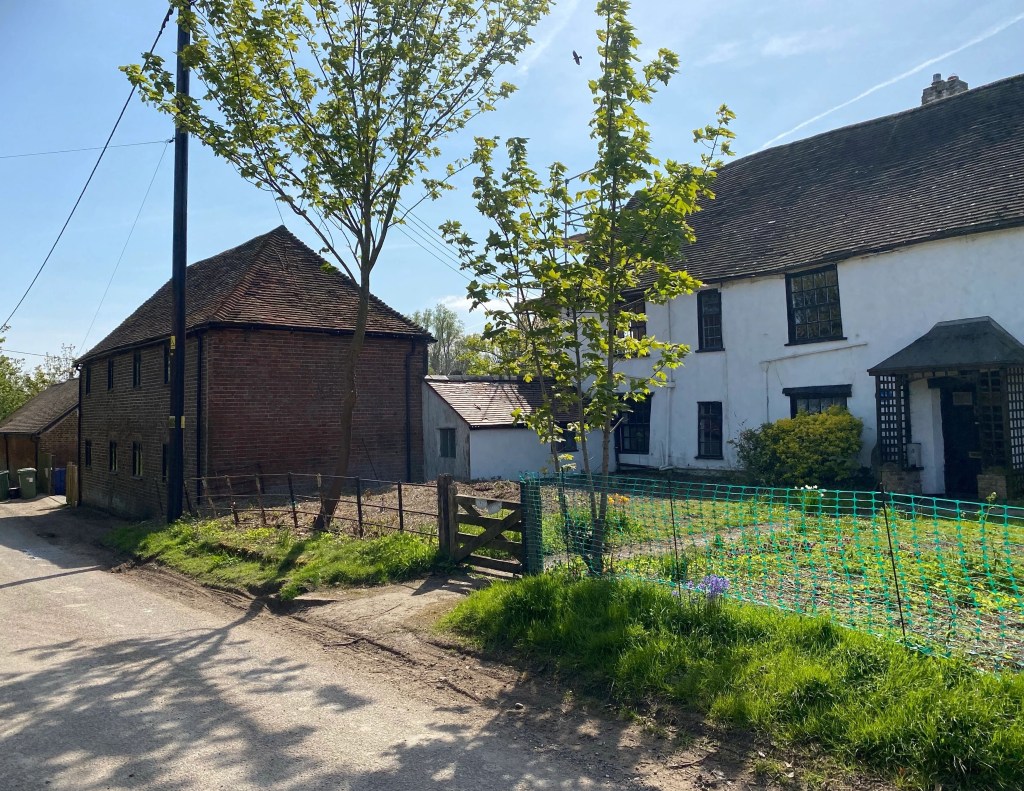
The Coach House, constructed of red brick with a tiled roof, features a rendered rear elevation. Similar to Warden Manor, the Coach House has undergone various alterations, including the addition of modern partitions on the first floor, new doors, and replacement windows on the first and second floors, which lack architectural interest. The rear elevation boasts a timber door on the first floor, hinting at its age and possible use for the movement of goods. The ground floor of the Coach House showcases much of its architectural interest, with exposed timber frames and joists. The brick fireplace also adds to the building’s architectural appeal, albeit having been altered over time.
Historical records reveal that the manor of Warden was under the control of the Manor of Milton, and in the early 13th century, it was owned by the Savage family. Over the medieval and post-medieval periods, ownership of the manor passed through various families, indicating the presence of a manor on or near the current site. The existing building was constructed in the 16th or 17th century and has undergone numerous alterations and served different purposes, ranging from residential use to housing a convent for nuns. The Coach House, built as a dependency of Warden Manor, also appears to have been constructed in the late 16th or early 17th century. Both structures hold significant historical interest, as they are among the oldest buildings in Warden.
Author: Jeremy Fazzalaro
All photos belong to author.
 jfheritage.co.uk