

While there are numerous stories and legends surrounding the reuse of ship timbers in historic buildings, the reality is that such occurrences are relatively rare. The notion of using ship timbers in construction has been romanticised and perpetuated by folklore and popular culture.
In many cases, when older buildings undergo restoration or renovation, the timbers found within them are not from ships. They are typically sourced from local forests or other more readily available timber sources. The reuse of ship timbers in construction was not a widespread practice due to several reasons:
Rarity of suitable ship timbers: Ships were typically built using specific types of timber, such as oak, that were well-suited for shipbuilding. However, the supply of such timber was limited, and not every ship’s structure would yield usable timbers for building purposes.
Structural requirements: Ship timbers were designed to withstand the stresses and strains of the marine environment. While they were strong and durable, their specific shape and size were not always compatible with the needs of building construction.
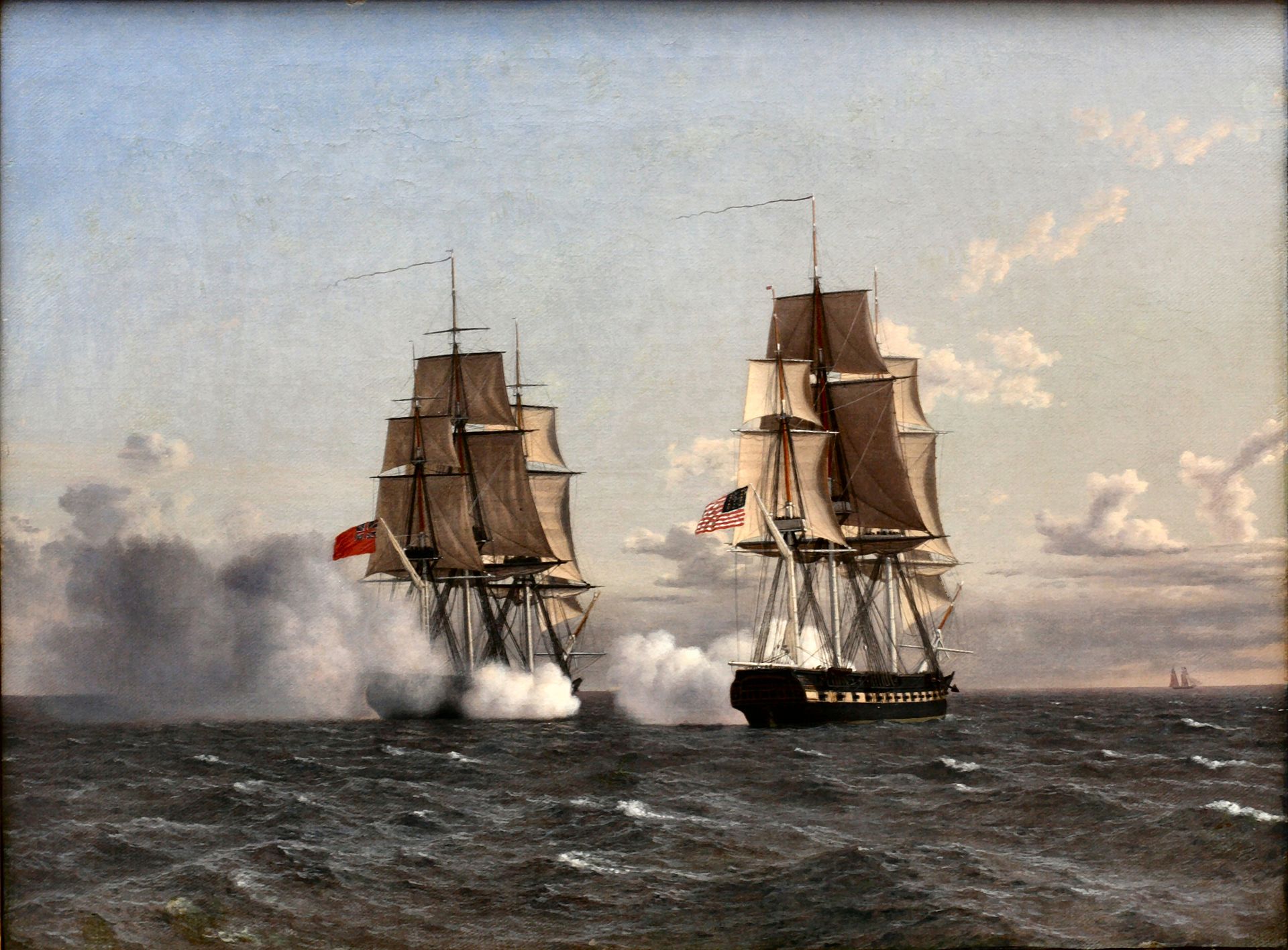
The battle between the frigates HMS Shannon and USS Chesapeake (Christoffer Wilhelm Eckersberg)
Cost and practicality: Reusing ship timbers in construction would often require significant effort and expense to remove, transport, and repurpose the timbers. It was often more cost-effective to use locally available timber sources that could be easily obtained and shaped to fit the construction requirements.
Despite these challenges, there are rare instances where ship timbers have been reused in historic buildings. Some notable examples exist including at Chesapeake Mill, Hampshire. During the war of 1812, USS Chesapeake and HMS Shannon clashed off the Massachusetts coast and ensuing battle resulted in a British victory and the capture of USS Chesapeake. The ship was taken back to England and was sold to ship breakers in Portsmouth and much of the structure was reused in the construction of Chesapeake Mill. Thirty percent of the original ships timbers are thought to exist in the mill, to put this in perspective, only 5% of HMS Victory’s timbers are original. The vessel is one of only a few American ships that have been captured and this adds the historic interest of the building.
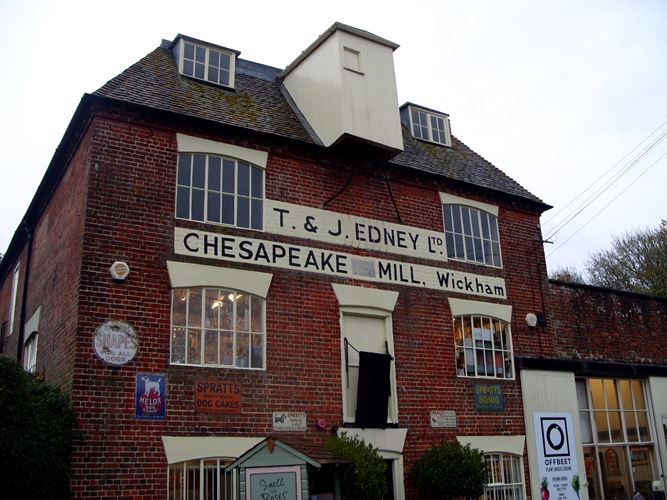
Chesapeake Mill
The mill dates from 1820 and has a high level of historic interest due to its naval association with the ship. The floor joists, window lintels, and roof timbers and are known to have originated from the American warship. It is widely considered to be the best example of survival for 18th-century reused ship timbers in any building in England, and its significance is reflected in its Grade II* status.
Further reading
List description – https://historicengland.org.uk/listing/the-list/list-entry/1157675?section=official-list-entry
Nancollas.T (2022) – The Ship Asunder: A Maritime History of Britain in Eleven Vessels
Author: Jeremy Fazzalaro
 jfheritage.co.uk