
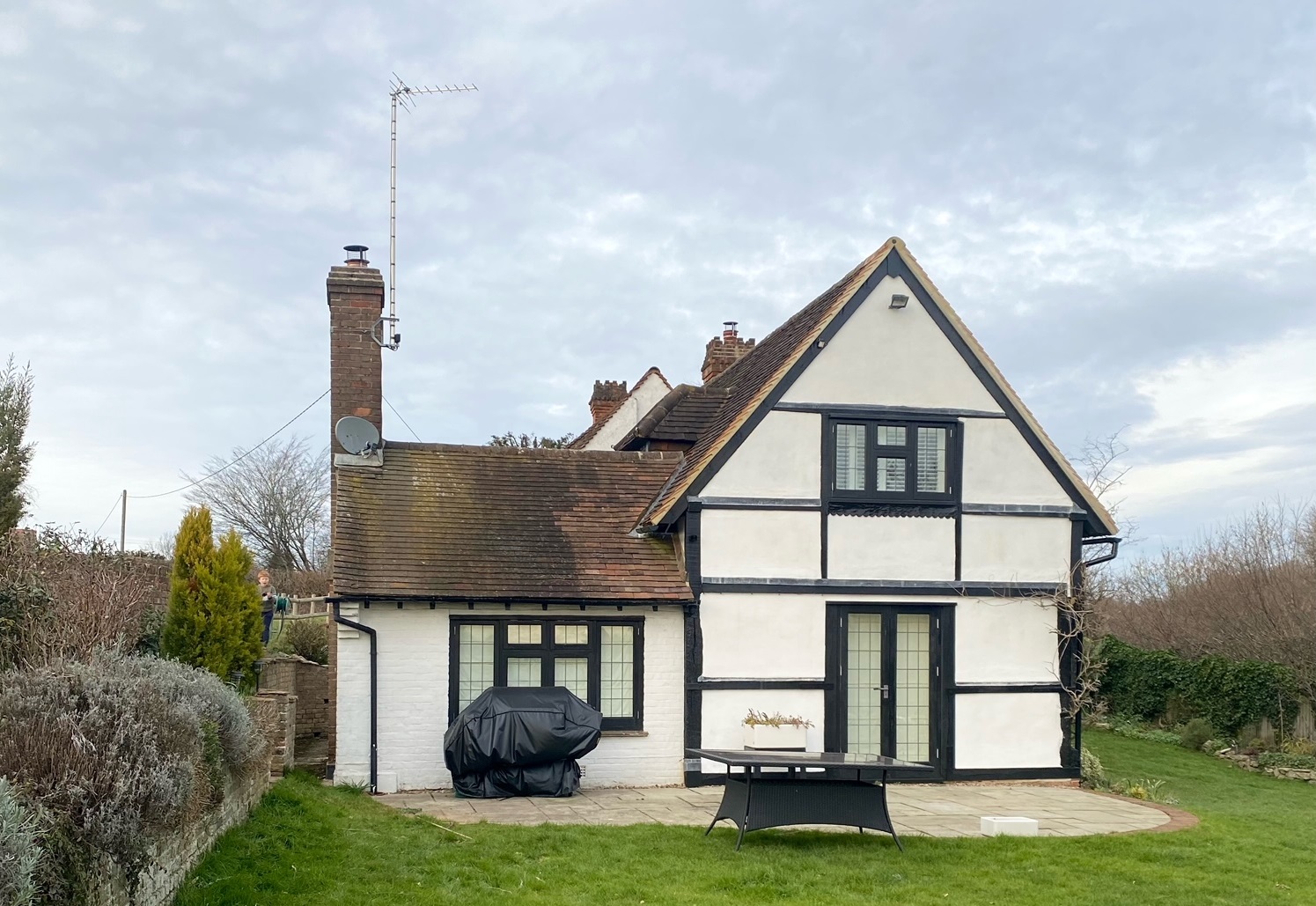
J F Heritage has submitted a heritage statement in support of an application to alter the exterior and interior of a historic house in Buckinghamshire. The application site relates to a Grade II listed dwelling situated within the Chiltern Area of Outstanding Natural Beauty. The property dates from the 16th century and has had various additions added to it between the 17th and 21st centuries.
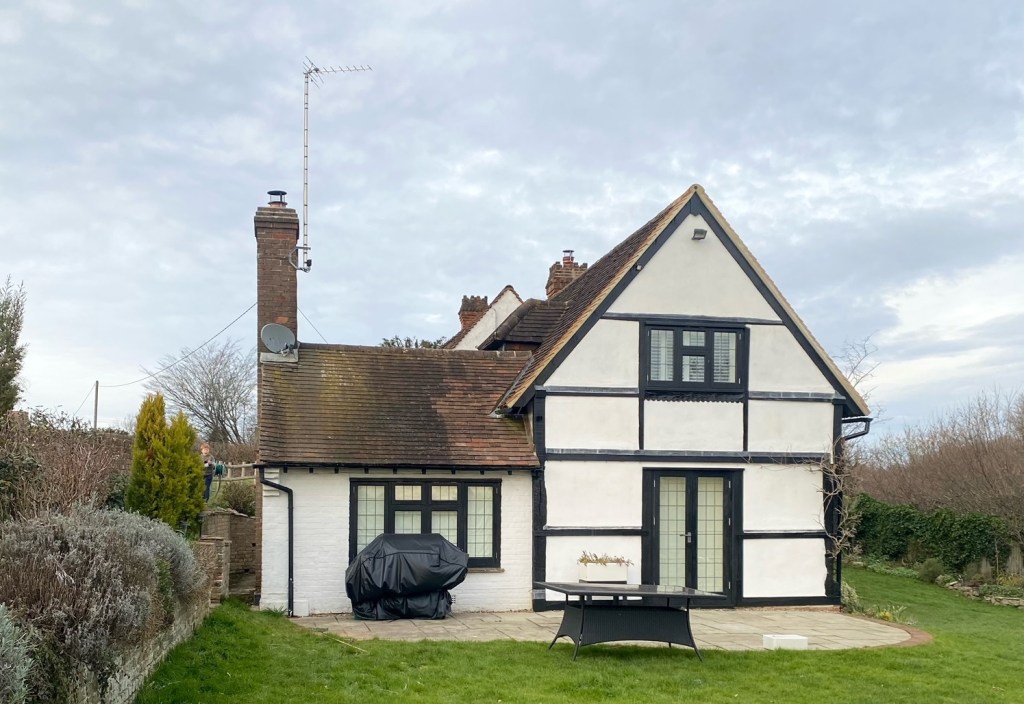
The list description gives an 17th century date for construction, however, documentary research from the Records of Buckinghamshire suggests an earlier date of circa 1550. The original building was a two-hearth open hall house with three or four bays that was later extended in the 17th and 18th century. Only two bays survive intact. Structural features such as the timber wall plate also survive. The central truss was perhaps of the archbraced collar type and there would have been a smoke bay, however, this was later replaced by the chimney stack. Unfortunately, the original roof was replaced. It is suggested that Larkins Green was built shortly before 1550, and modernised and given a second stack around 1600.
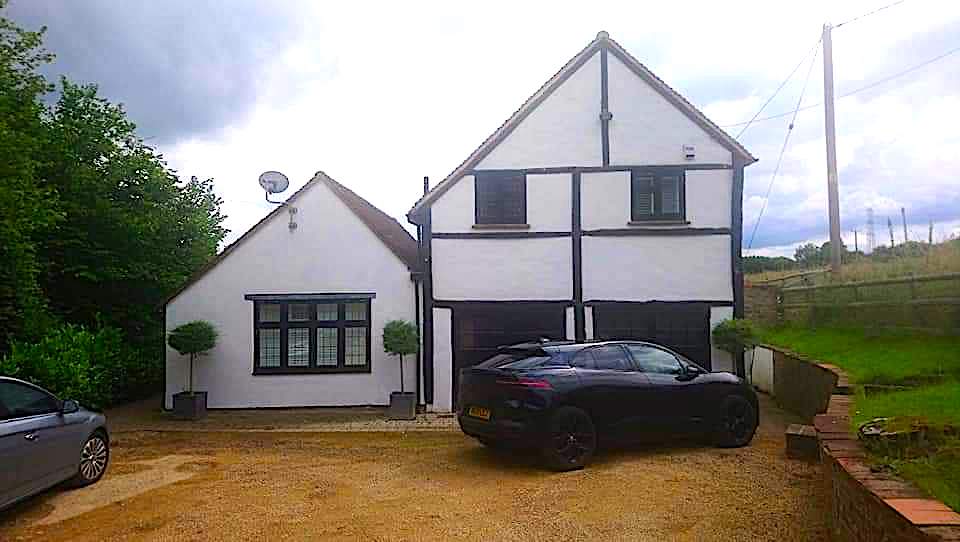
Research has revealed that the building has been altered and extended, with changes to the boundary of the property. Larkins Green was added to the list of buildings of special architectural or historic interest at Grade II in 1984. Modern additions include a porch and kitchen bay extension in 1984, a single-storey front extension in 1987, a single-storey rear extension in 1993, and the windows were replaced in 2015.
Architectural Interest
The 16th and 18th century timber framed historic core of the building, including the southern elevation with timber beams, infill panels and the external brick chimney stack are of high architectural interest. The variety of materials ranging from red brick, timber frame and tiles are also of architectural interest. The above architectural features contribute to the significance of the listed building. The later extensions of the 19th–21st century, including the garage, porch extension, and replacement windows, are of low architectural interest. Nevertheless, these features are also of some significance as they are part of the historic development of the dwelling. However, due to their relatively recent age, they are of low architectural interest.
Historic Interest
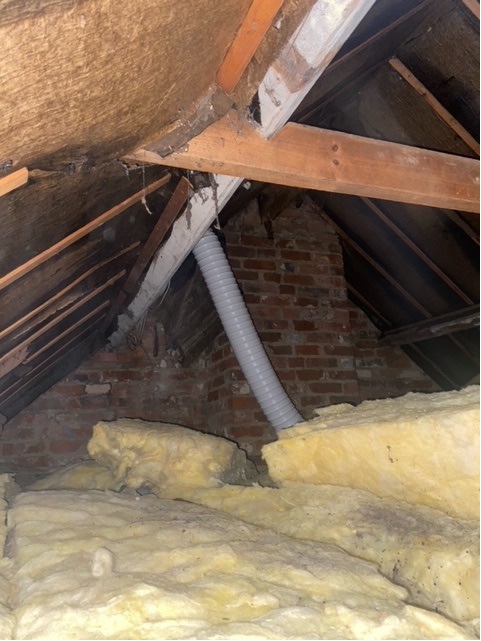
The south elevation is the historic core of the house, dating from the 16th century. This is of high historic interest due to its age. The building was gradually extended between the 17th and 21st centuries. The range linking the southern and northern ends of the building is of moderate historic interest despite having been altered with a new porch and replacement windows. The garage and northern extension, added in the 20th century, are of no historic interest at all. However, some of the internal features, including the wall between the kitchen and garage, may date back to the 18th century and may have once been the external wall, although further investigation may be required to determine its date.
I worked with the applicant, agent and council to find a suitable solution to the owners needs and conservation departments concerns, the heritage statement has been well received by the client and council.
 jfheritage.co.uk