
Canterbury has long been an important centre of Christianity in England. Augustine began his mission to convert the Anglo-Saxons in 597, and the murder of St Thomas Beckett in the 12th century resulted in Canterbury becoming a centre of pilgrimage until the English Reformation in the 16th century.
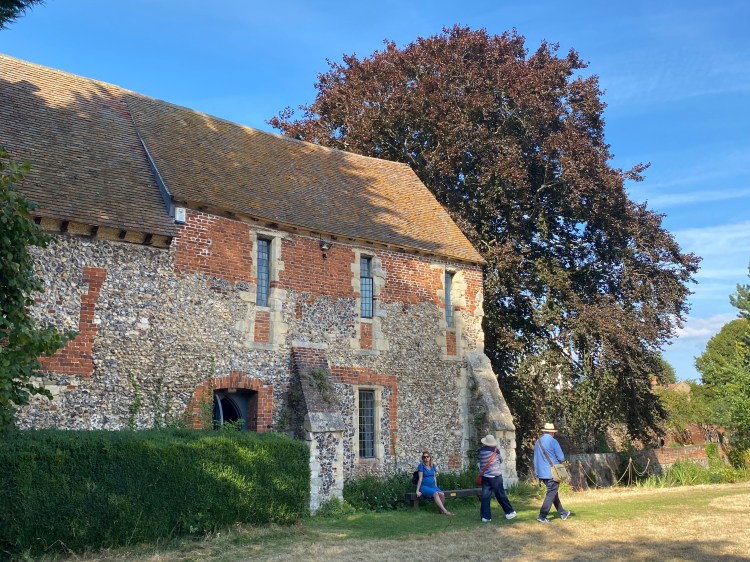
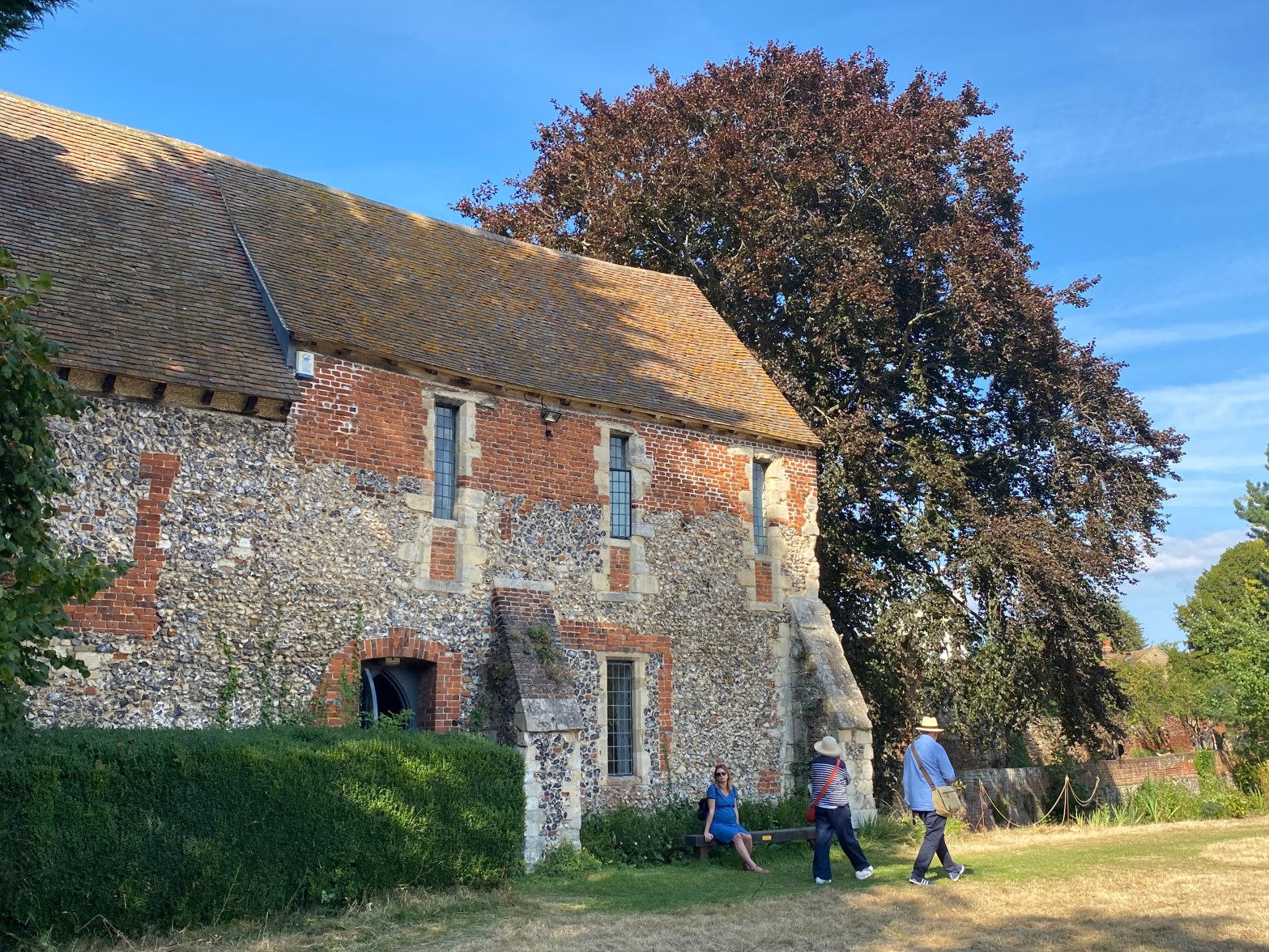
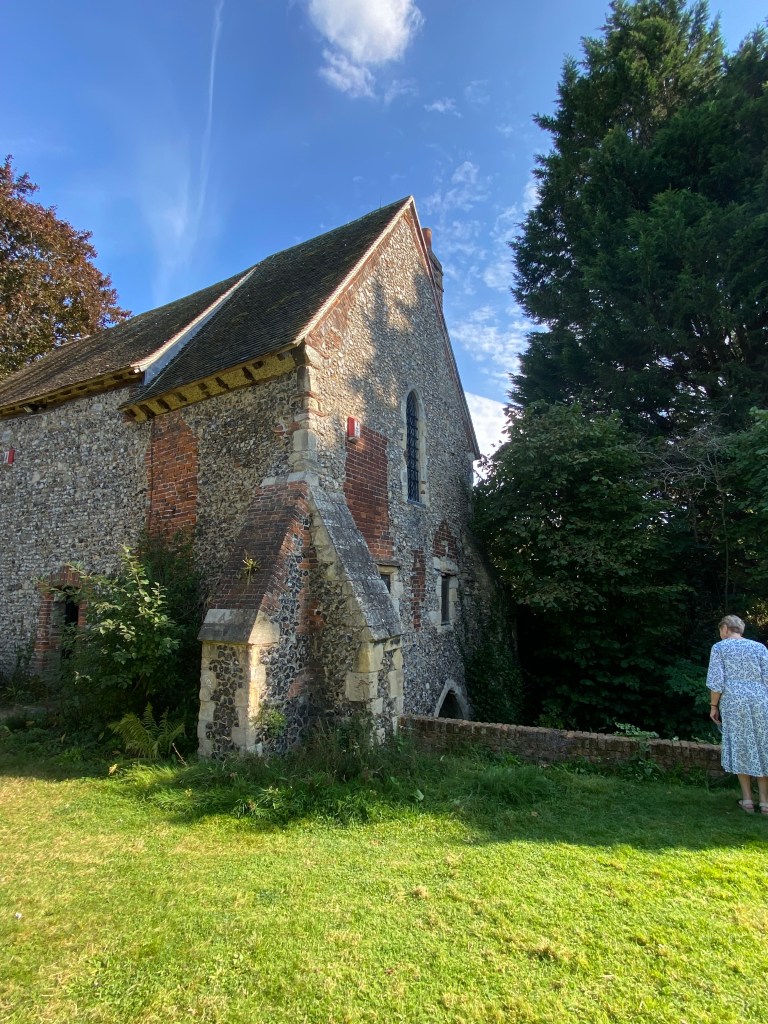
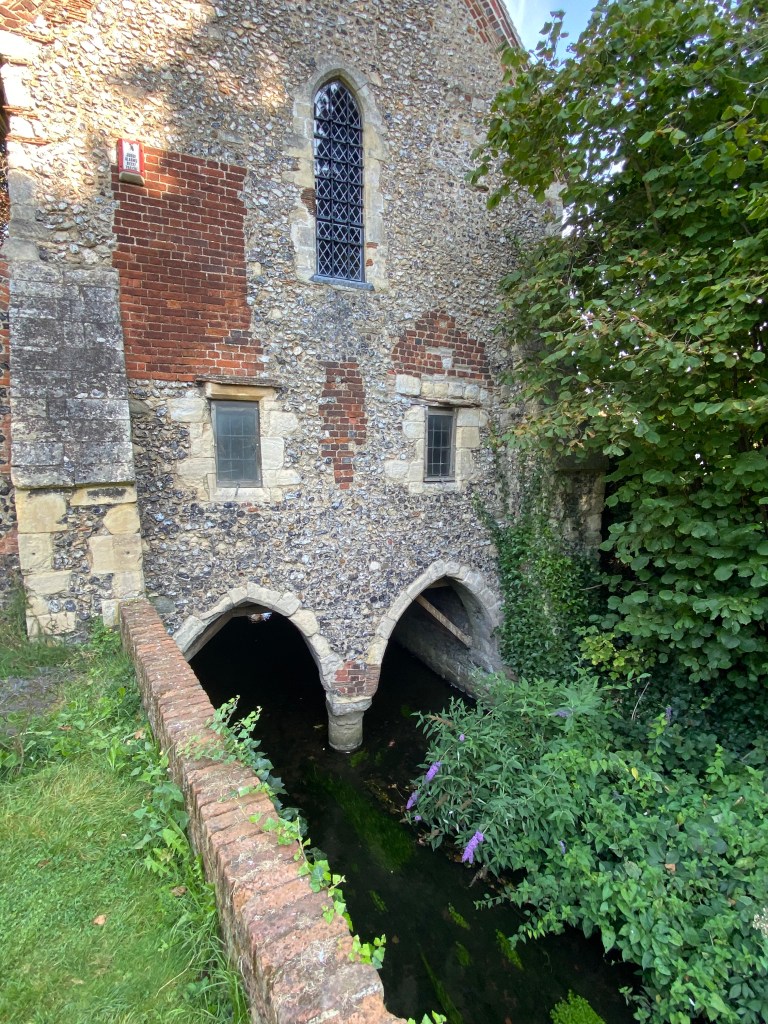
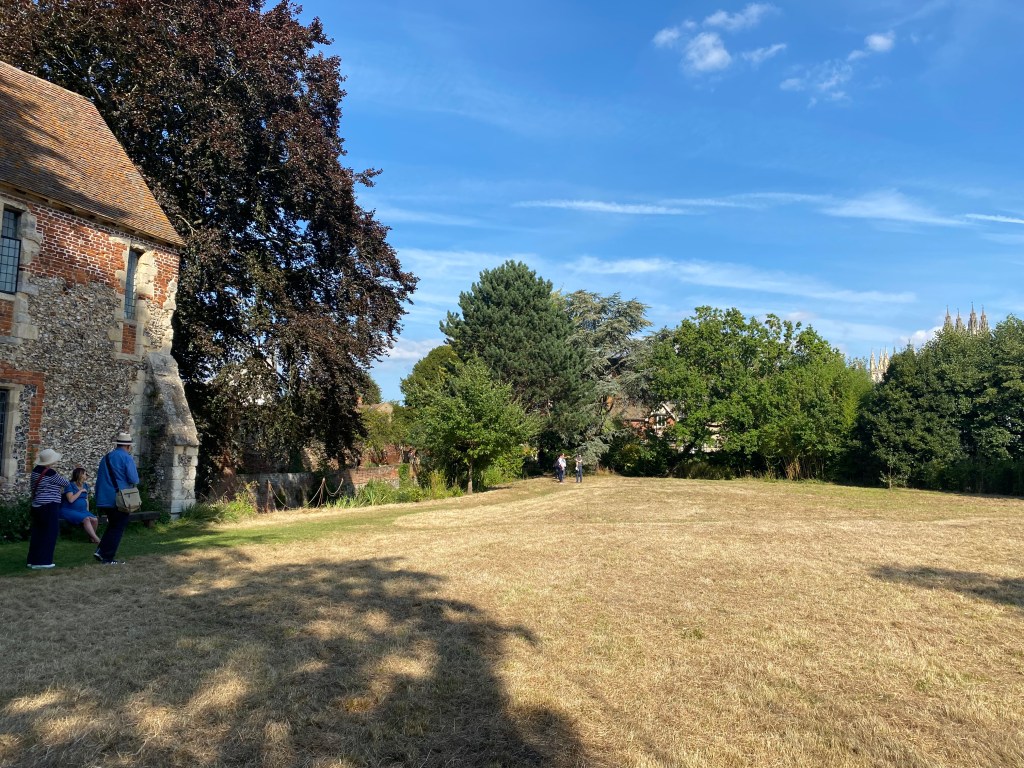
The Greyfriars built the earliest Franciscan friary in England in the late 13th century; they chose a site next to the River Stour to develop the friary. In 1267 the Greyfriars Chapel was constructed as sleeping accommodation for the friary. The dissolution of the monasteries and religious houses in the 16th century resulted in a change of ownership. The ground floor was subsequently used as a private house and then a prison. Today, the chapel is within the Franciscan Gardens, a large garden managed by Franciscan Garden, a local charity that has sought to restore the site.
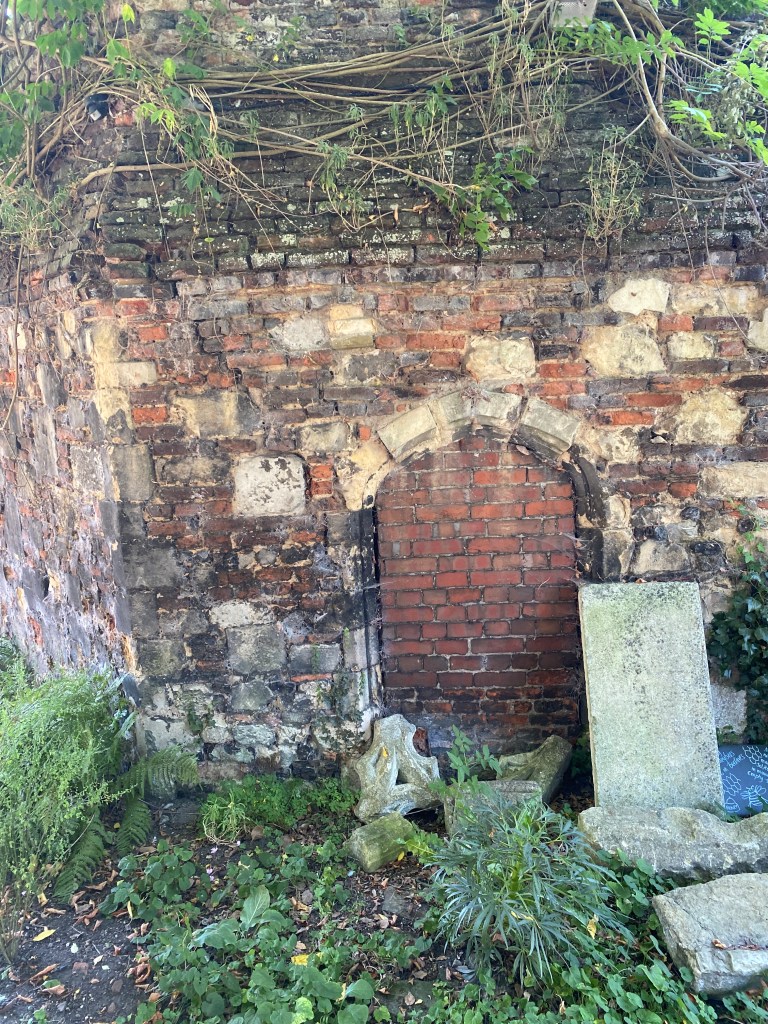
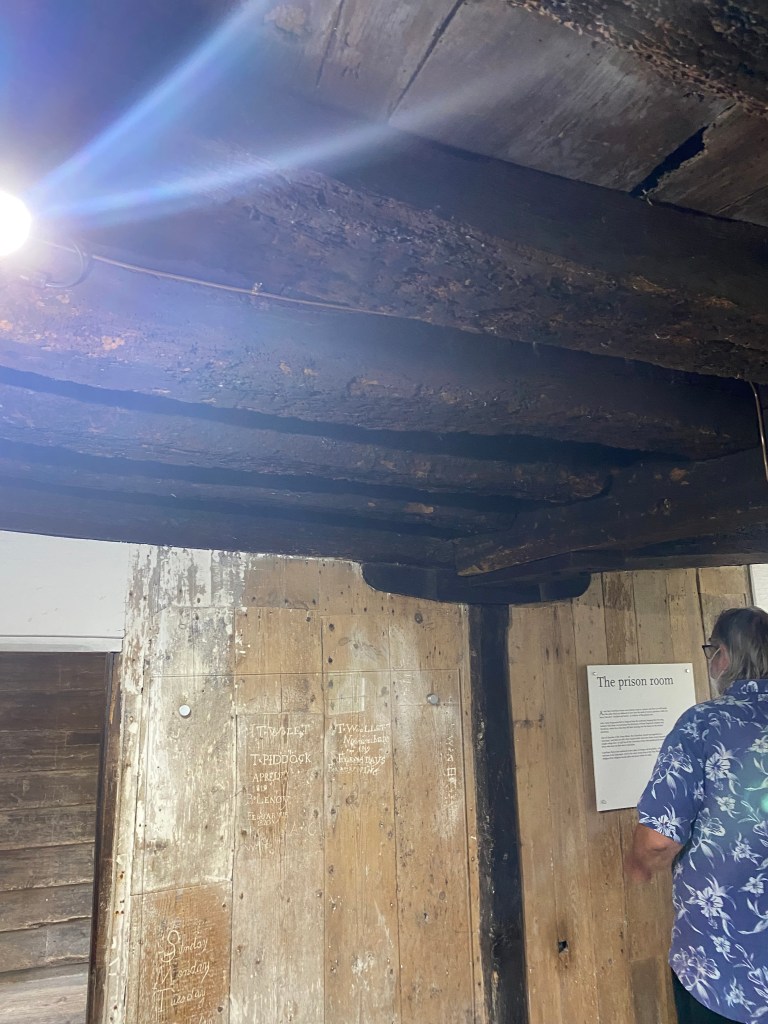
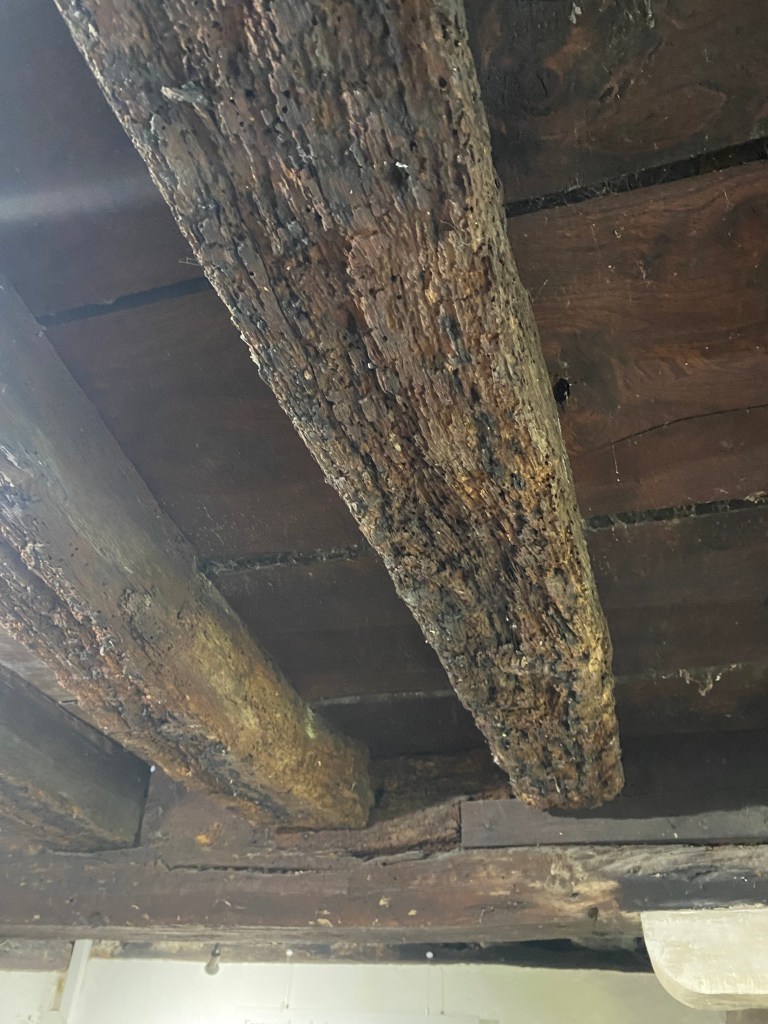
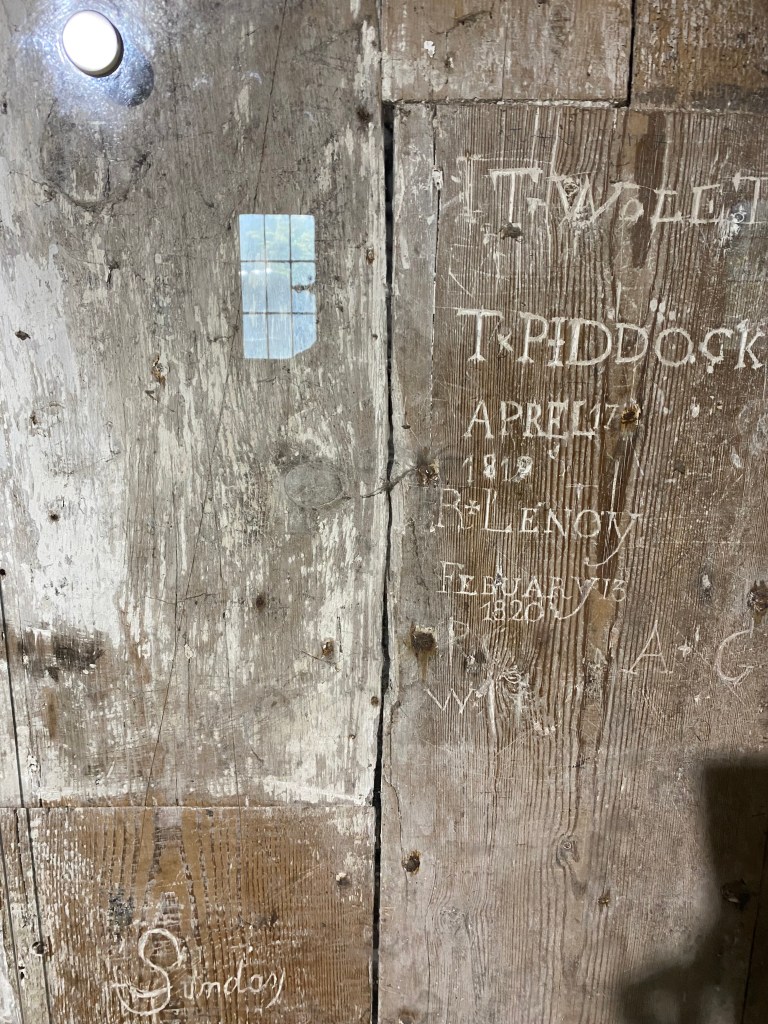
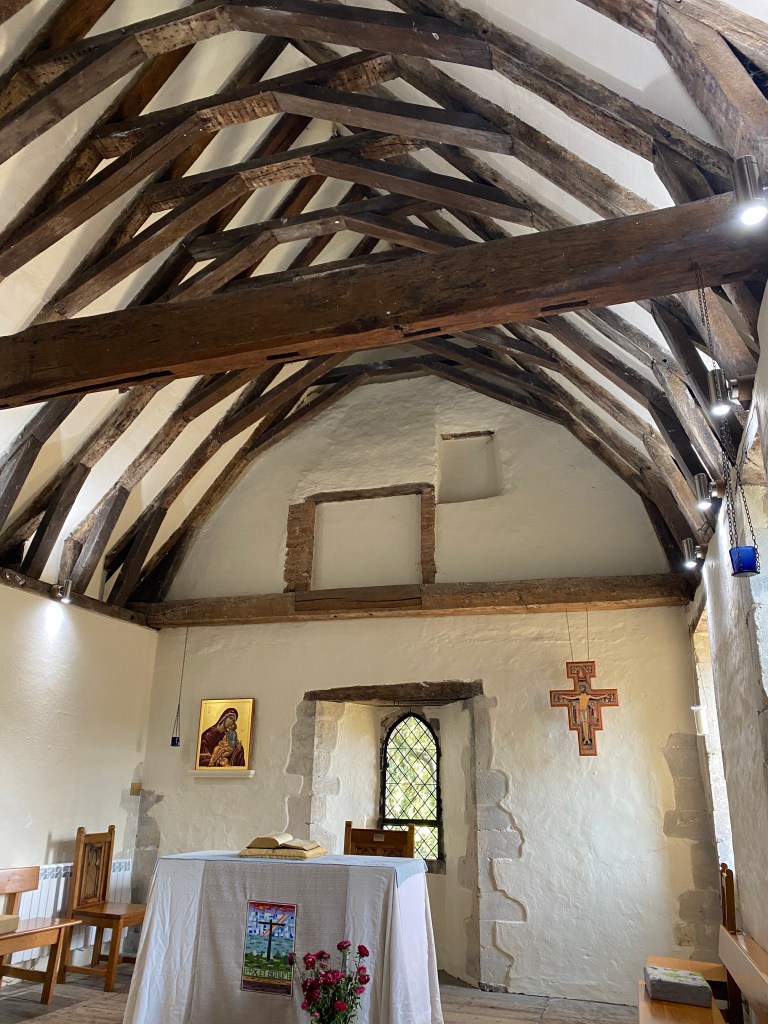
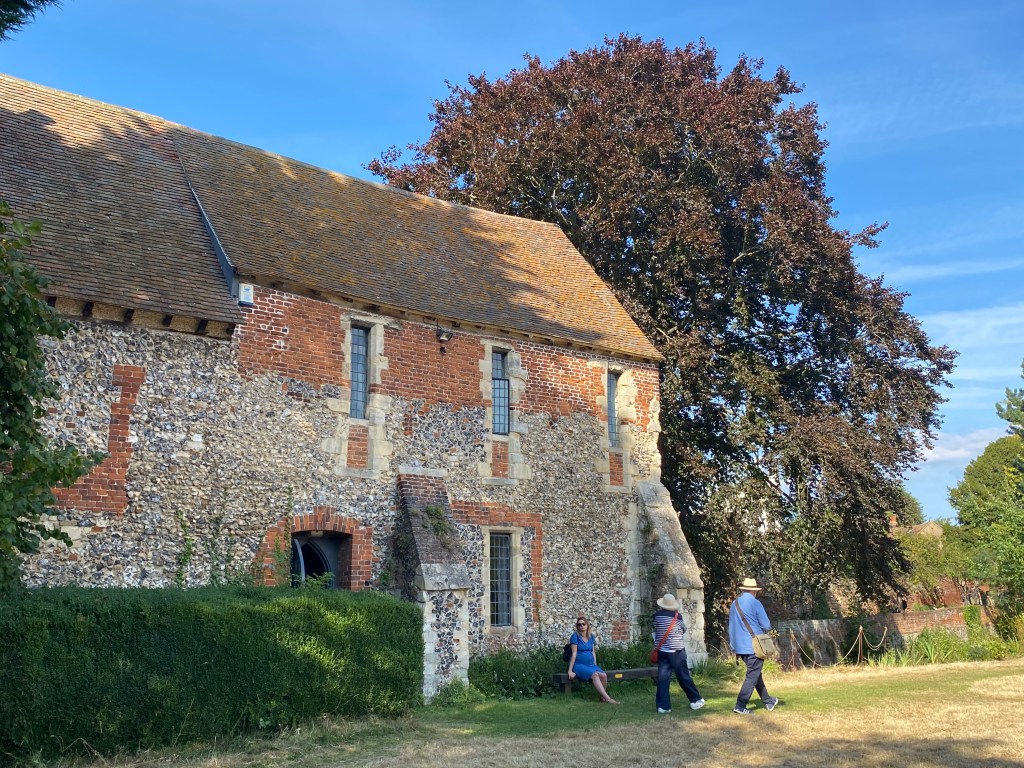
The Chapel is an impressive two storey structure located over the River Stour. The gothic lancet windows and pointed arches are typical features of medieval gothic style. Whilst the building has been altered and restored through the years as attested by the brickwork on the upper half of the front and rear elevations, it is nevertheless still possible to discern the original plan form of the building. The weathered timber joists on the ceiling of the ground floor and the vertical timber struts on the gable end of the first floor are interesting features that contribute to the architectural interest of the building. Greyfriars Chapel has been of interest for centuries, as apparent by the graffiti on the walls with dates from the early 19th century. This is a charming historic building set in a large garden and a hidden gem in the historic core of Canterbury.
 jfheritage.co.uk